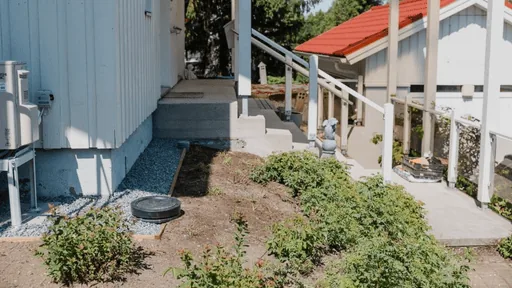
Drainage inspection – price and most common questions
Drainage inspection is an important part of property maintenance, as a properly functioning drainage system protects a building from moisture and mould damage. Regular inspections help detect potential blockages, subsidence, or damage at an early stage, which can significantly reduce repair costs.
In this article, we go through what drainage inspection involves, how often it should be carried out, and what factors affect the price. We also answer the most common questions on the topic.
Key takeaways from the article
Drainage inspection refers to assessing the condition and functionality of drainage pipes installed around a building and the related systems.
It is recommended to carry out inspections regularly, for example every 5–10 years.
There may be water in the drainage inspection chamber, but the amount and location of water provide important information about the condition of the drainage system.
Drainage inspection can be carried out by the homeowner, but without specialised equipment it is difficult to detect internal blockages, subsidence, or structural damage in the pipes.
The cost of a drainage inspection varies depending on the size of the property, the inspection method, and any additional work required. At Salaojapiste, we offer this completely free of charge for detached house owners.
What does drainage inspection mean?
Drainage inspection refers to assessing the condition and functionality of drainage pipes installed around a building and the systems connected to them. The inspection evaluates whether the drainage system is correctly directing rainwater and meltwater away from the foundations, and whether there are any blockages, subsidence, or structural damage. In many cases, the inspection is carried out using specialised equipment such as a drainage camera, and it may also include cleaning of inspection chambers.
Why is drainage inspection important and when should it be done?
Drainage inspection is important because non-functioning drainage systems can easily cause serious moisture and mould damage to a building’s foundations and basement spaces. When issues are detected early, costly renovations and repair work can be avoided.
The inspection should be carried out regularly, for example every 5–10 years. It is also recommended when signs of problems are observed, such as moisture in the basement, odours, or surface water accumulating near the foundation. Regular drainage inspections help prevent moisture-related issues and extend the lifespan of the entire system, protecting the safety and value of the property.
How is drainage inspection carried out in practice?
Drainage inspection is performed in stages to ensure the condition of the system is assessed as accurately as possible.
When inspecting moisture management systems, it is important to consider both technical details and surrounding conditions, such as the building’s position on the plot, the age of the system, and possible indoor air impacts. Seasonal conditions may also create additional risks.
Below is a closer explanation of how a drainage inspection is carried out.
Opening inspection chambers and visual inspection
The first step is opening the drainage inspection chambers and assessing the water level and flow direction. Visual inspection can reveal sediment, blockages, standing water, or signs that water is not draining as expected. The condition of the building’s structures is also checked, as capillary moisture, cracks, or surface damage in the foundation may indicate a need for drainage renovation or a more serious issue.
Assessment of system condition, documentation, and recommendations
Once the drainage inspection is completed, the overall condition of the system is evaluated. All findings are recorded in an inspection report. Documentation includes general conditions, potential risks, structural condition, and maintenance history. If the system has been regularly maintained and is less than 30 years old, its condition can generally be considered satisfactory. However, if structural damage, blockages, or deficiencies in stormwater management are found, recommended actions are provided.
Finally, a written summary and recommendations are given to support the long-term maintenance of the property’s moisture management system.
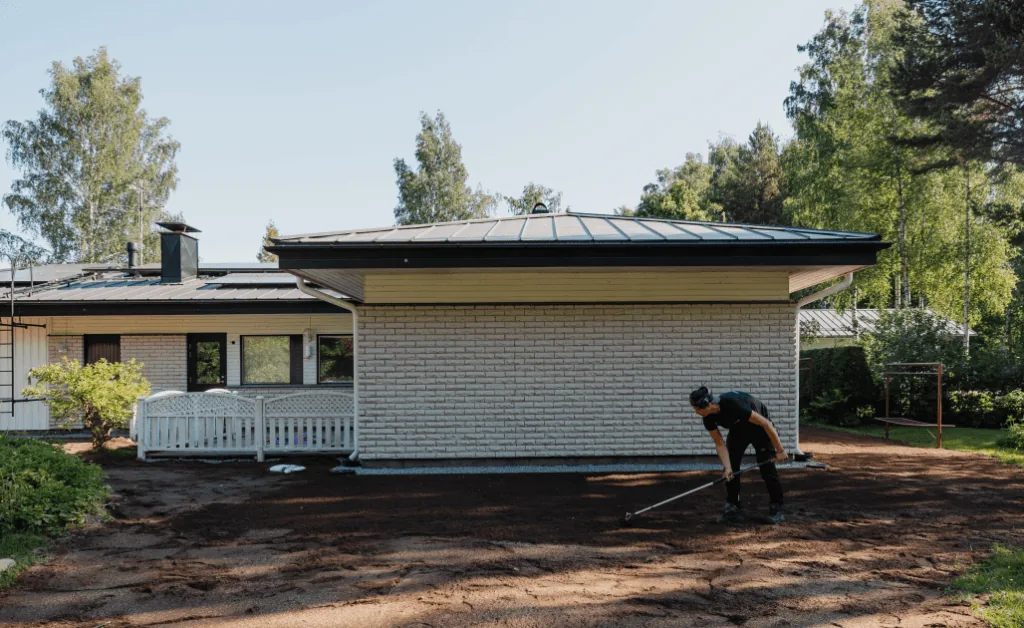
Is it allowed for there to be water in a drainage inspection chamber?
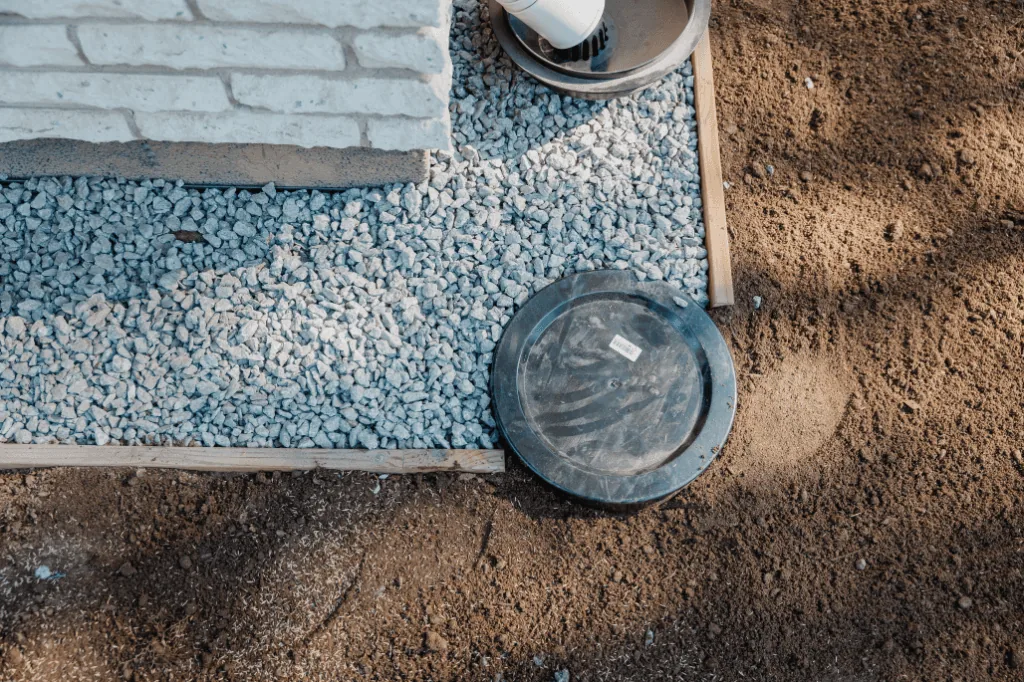
Yes, it is allowed for there to be water in a drainage inspection chamber, but the amount and location of the water provide important information about the condition of the drainage system. A small amount of water at the bottom of the chamber is normal, especially after rainfall or snowmelt. However, if the water level consistently rises too high or remains standing for long periods, it may indicate a blockage, subsidence, or another malfunction in the system. In such cases, it is recommended to carry out a drainage condition inspection and, if necessary, cleaning to prevent moisture from damaging the structure.
Is a drainage inspection chamber mandatory?
As we noted in a previous article on the topic: “Inspection chambers are not always legally required, but they are a highly recommended part of a functional drainage system.”
An inspection chamber provides easy access to the drainage pipes, making it significantly easier to carry out regular inspections, cleaning, and troubleshooting without extensive excavation work.
Without inspection chambers, blockages and damage may go unnoticed at an early stage, which increases the risk of structural damage and higher repair costs.
How can you tell if drainage is not working properly?
Non-functioning drainage systems often show clear warning signs that should not be ignored. For example, Foundation Fix lists common symptoms such as:
Water accumulating near the foundation after rainfall
Moisture or mould problems in basements and façades
Cracks in the foundation or subfloor
In addition, peeling foundation coatings or visible efflorescence may also indicate drainage issues. If you notice these warning signs, it is important to check the condition of the drainage system in time and take necessary corrective actions. Do not leave your home’s future to chance. Request a quote now and take the first step toward a safer and more durable home.
What does a drainage inspection cost and what does the price consist of?
The price of a drainage inspection typically ranges from a few hundred euros. The cost depends on the size of the property, the inspection method, and any additional work required. The price may increase if more extensive imaging, measurements from multiple points, or cleaning of inspection chambers is needed. The location and accessibility of the property can also affect the overall cost.
At Salaojapiste, we provide drainage condition inspections completely free of charge for detached house owners. Housing company projects are priced on a case-by-case basis.
Drainage inspection by yourself vs. professionally carried out inspection
It is possible to inspect drainage systems yourself, but a professional inspection is usually more accurate and reliable. A DIY inspection may include opening inspection chambers and visually assessing the water level, but without specialised equipment it is difficult to detect internal blockages, subsidence, or structural damage in the pipes.
When inspecting yourself, there is also a risk that warning signs are not recognised or their severity is misjudged, which can lead to costly repairs later. For this reason, a professional inspection is often a safer and more cost-effective long-term solution.
Summary: drainage inspection and maintenance
Regular drainage inspections help prevent moisture problems and extend the lifespan of the entire system, protecting the value of the property. Inspections help identify blockages, subsidence, and other faults early, allowing them to be repaired before causing significant damage.
An inspection is an investment in the condition of the property, as fixing problems early is significantly cheaper than carrying out a full drainage renovation later. If defects are found during the inspection, a professional can carry out the necessary maintenance or repairs to restore system functionality and ensure that rainwater and meltwater are properly directed away from the foundation.
If you suspect issues with your drainage system or want to ensure its condition, feel free to contact us. We offer a free drainage and stormwater system inspection that identifies risks and helps protect your home from moisture damage.
Sources
Priority 1 Plumping – What Is Drainage Inspection – 3 Ways It Prevents A Home Disaster
Salaojapiste – Kuntotarkastuksella parempaa arkea
Salaojapiste – Salaojaremontin hintaopas – Mitä salaojaremontti maksaa 2025?
Salaojapiste – Salaojan asennusohje: Tee-se-itse -opas salaojaremonttiin
Foundation Fix – How do I Know if my Weebing Tile is Clogged/ Blocked?