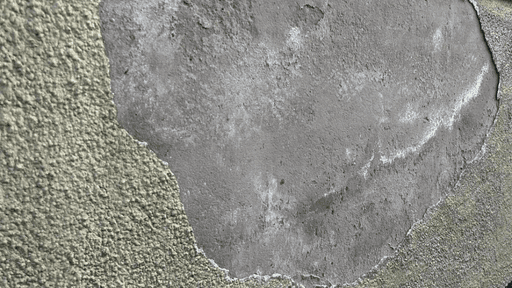
Efflorescence on the foundation – problem or harmless phenomenon?
A white, powdery layer appearing on the surface of a foundation can raise questions—is there something wrong with the structure, or is it just a cosmetic issue? Efflorescence is a familiar sight for many homeowners, and although it may look concerning, it does not necessarily indicate serious structural damage. But what exactly causes efflorescence, can it be prevented, and when should you take action?
In this article, we explore efflorescence in more detail and explain how to keep your foundation clean and well-protected—both now and in the future.
Key takeaways from the article
Efflorescence is a white, powdery or crystalline deposit that typically forms on the surface of porous materials such as concrete or brick.
In most cases, efflorescence can be removed mechanically by brushing, for example with a stiff scrubbing brush. If the deposit is more stubborn, the surface can be washed with a mild vinegar or hydrochloric acid solution.
Efflorescence itself is harmless, but its recurrence may indicate poor waterproofing, insufficient drainage, or other moisture management issues.
Moisture in the foundation can be detected in several ways. Common signs include dark patches, efflorescence, peeling paint, and the growth of moss or mould on the surface.
If efflorescence keeps reappearing, cleaning alone is not enough. It is important to identify the source of moisture and improve waterproofing or drainage to prevent the problem from returning.
What is efflorescence?
Efflorescence is a white, powdery or crystalline deposit that typically forms on the surface of porous materials such as concrete or brick. It is sometimes asked whether efflorescence is mould. Efflorescence is a salt deposit that forms when moisture dissolves salts within the structure, and they crystallise on the surface as water evaporates. Mould, on the other hand, is an organic growth that requires organic material and continuous moisture to develop.
Efflorescence itself is not dangerous, but it can be a sign of excessive moisture in the structure, which may indicate issues such as poor waterproofing or inadequate drainage.
How does efflorescence form on a foundation?
Efflorescence forms on a foundation when moisture penetrates the structure and dissolves salts contained in concrete or brick. As the moisture moves outward and eventually evaporates from the surface, the salts are left behind as a white deposit. The phenomenon is common especially in spring and autumn when the ground is moist and temperature fluctuations occur. Laura Martin writes in her article:
“Efflorescence is often a seasonal issue, and humidity affects whether soluble salts appear on the surface. The phenomenon usually becomes more visible in winter, as rain, snow, sleet, and other unstable weather conditions increase moisture.”
Efflorescence typically appears on foundations when drainage or waterproofing is not functioning properly and water is able to enter the structure. Porous, untreated foundation surfaces are also more prone to efflorescence.
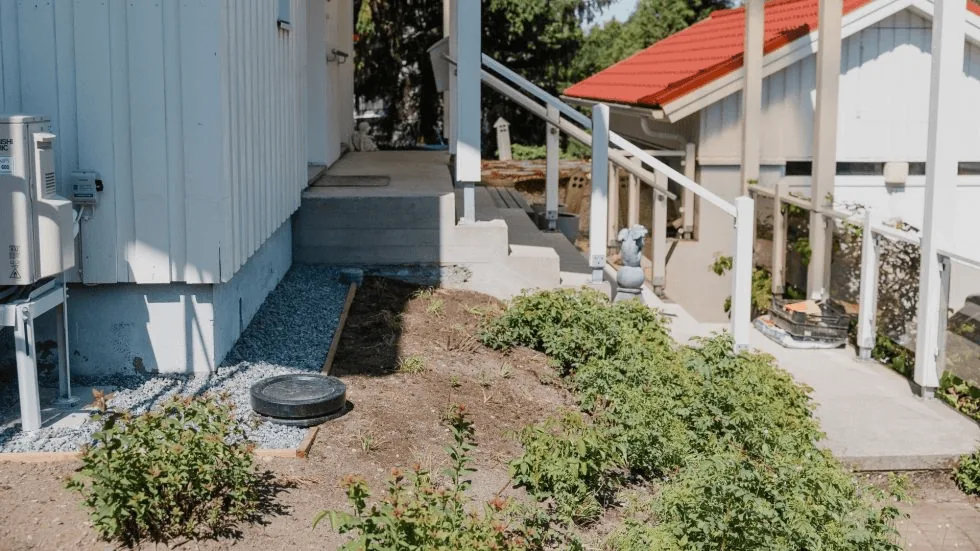
Does efflorescence affect the condition of the foundation?
Efflorescence usually does not damage the structural integrity of the foundation, but it can be a sign that excessive moisture is entering the structure. The deposit itself is mainly a cosmetic issue—it does not weaken the foundation or cause immediate structural damage.
As noted in a previous article, cracks, surface deterioration, or white salt streaks on the foundation can indicate moisture-related issues. Repeated efflorescence on the surface may point to problems with waterproofing, drainage, or ventilation.
Prolonged moisture exposure can, over time, damage the foundation and surrounding structures, so efflorescence should be seen as a warning sign that moisture management should be reviewed.
How is efflorescence removed?
Efflorescence can be removed using several methods depending on its extent and the type of foundation surface. In most cases, it can be removed mechanically by brushing with a stiff scrub brush. If the deposit is more stubborn, it can be washed with a mild vinegar or hydrochloric acid solution. It is important to test any cleaning agent on a small area first and protect surrounding surfaces.
According to HB Beton, pressure washing with a mixture of sand and water can also be used on concrete surfaces. After cleaning, the foundation should be thoroughly rinsed with water. An important note is highlighted in an article on efflorescence removal:
“When removing and rinsing efflorescence, as little water as possible should be used, because the more water is applied, the higher the risk of reactivating efflorescence formation.
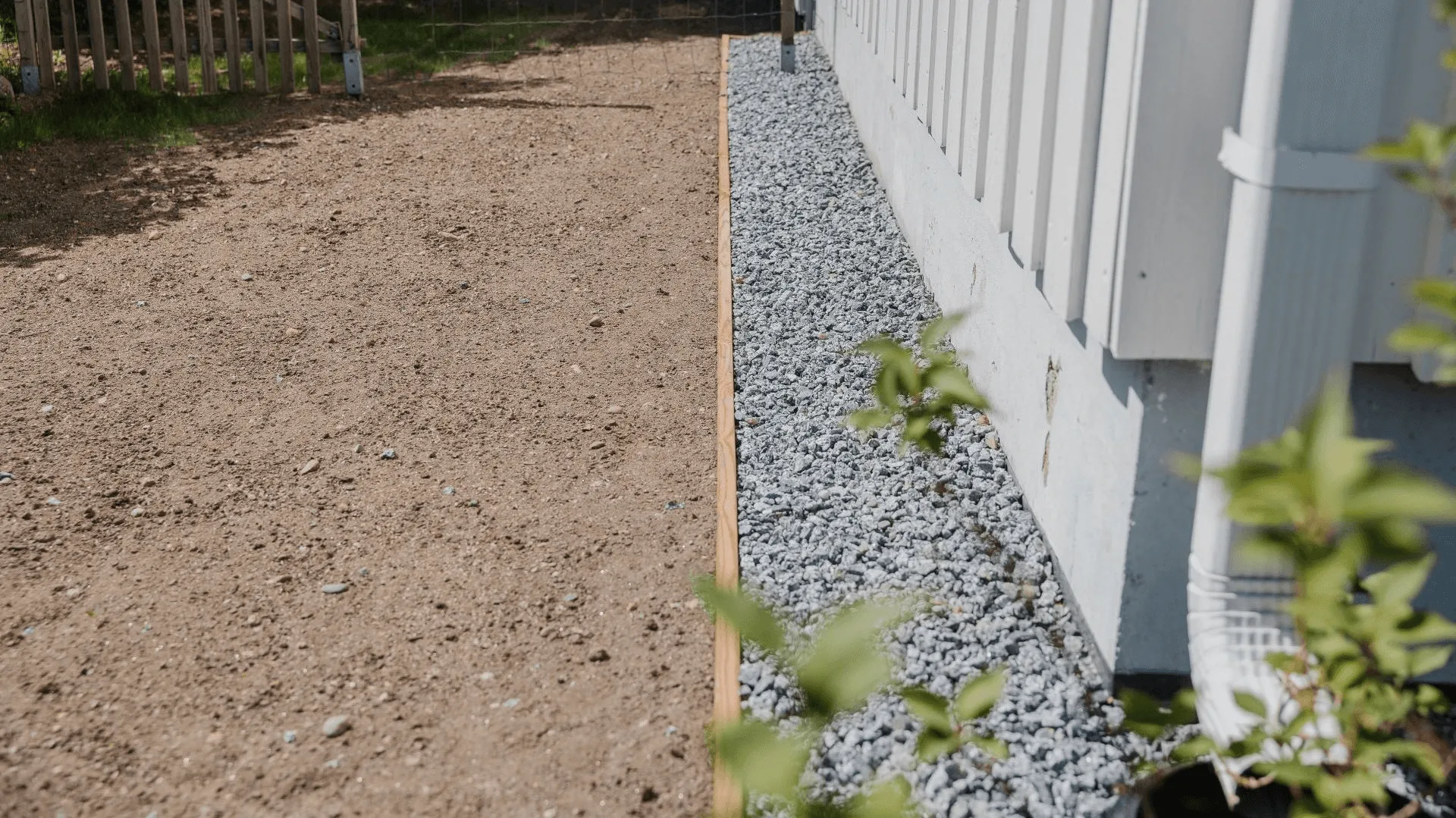
Is efflorescence dangerous?
Efflorescence is not dangerous. It is mainly a cosmetic issue that appears as a white deposit on surfaces such as foundations, brickwork, or concrete. Efflorescence does not weaken structural strength and is not harmful to health, unlike mould. As stated in an article on efflorescence:
“The white efflorescence is the most common form and is completely harmless. It does not affect the quality of bricks or masonry in any way.”
However, recurring efflorescence may indicate excessive moisture in the structure, which over time can expose other parts of the foundation to wear or damage. For this reason, efflorescence should be taken as a warning sign, and the source of moisture should be investigated if necessary.
How do you know if a foundation is damp?
Moisture in a foundation can be detected in several ways. Common signs include dark patches, efflorescence, peeling paint, and the growth of moss or mould on the surface. A damp foundation may feel cool and moist to the touch, and there may also be a musty smell nearby. The level of moisture can be measured more accurately with a moisture meter, and recurring symptoms should be assessed by a professional if needed. If the foundation remains damp for a long time, the cause may be poor drainage or insufficient waterproofing. If you are concerned about the condition of your foundation, feel free to contact us. At Salaojapiste, we offer a free condition inspection that reveals the state of your drainage system.

When does efflorescence require action?
Efflorescence requires action when it appears repeatedly or over large areas. Occasional, light deposits can often be removed without concern, but if efflorescence reappears shortly after cleaning, it is important to address the underlying moisture issue. If the foundation remains damp for long periods or begins to deteriorate (for example, peeling paint or surface erosion), the situation should be investigated more thoroughly.
Action should primarily focus on removing the source of moisture. It is important to identify where water is entering the structure check the condition of drainage systems, ground slope and grading, the functionality of gutters and downpipes, and any cracks in the structure. Internal moisture sources, such as insufficient ventilation, can also contribute to efflorescence.
Summary: how to keep your foundation clean and free from efflorescence
Keeping a foundation clean and preventing efflorescence is best achieved through proper moisture management. Functional drainage, intact waterproofing, and adequate ventilation help prevent water from entering the structure and thus prevent efflorescence from forming. It is also important to ensure that rainwater and meltwater are directed away from the building and that the ground slopes away from the foundation.
Small efflorescence deposits can be cleaned mechanically or with light washing, while also checking the source of moisture. Regular inspection and preventive maintenance help keep the foundation clean and the structure in good condition.
If you suspect that efflorescence is caused by poorly functioning drainage, feel free to contact us and we will assess the situation.
Lähteet
Salaojien asennus vanhaan taloon – milloin ja miksi kannattaa?
Kalkki- ja alkalihärme betonituotteissa