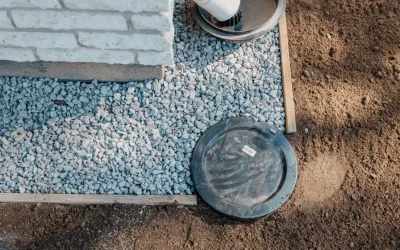
Small cracks in the foundation – causes, risks and measures
Have you ever noticed a small hairline crack in your foundation and wondered whether it’s just a cosmetic issue or a sign of something more serious? Small cracks in the foundation are common, but they can be caused by a variety of factors—from concrete shrinkage and frost stress to ground movement and moisture buildup. That’s why monitoring, measuring, and repairing cracks at the right time is important—small actions can prevent larger damage and extend the lifespan of your foundations.
In this article, we explain what typically causes small cracks in the foundation, when you should be concerned, and how they can be repaired and prevented.
Key takeaways from the article
Small cracks in the foundation often occur as concrete shrinks or when the surface is exposed to moisture and frost.
Frost heave and soil movement can push foundations in different directions and cause cracking.
Proper frost protection and a functional drainage system are essential in preventing cracks.
A foundation crack becomes a concern when it no longer appears as a typical hairline crack.
Cracks should be measured regularly to monitor any changes.
What do small cracks in the foundation indicate?
Small cracks in the foundation can be caused by many factors. In most cases, they are harmless hairline cracks that occur as concrete shrinks or when the surface of the foundation is exposed to moisture and frost. As stated in an article about concrete shrinkage:
“Concrete shrinkage is a natural process that occurs as the material dries and hardens. It is caused by the evaporation of water and internal chemical reactions within the cement, which often result in a reduction in volume.”
If a crack in the foundation remains small and does not progress, it is usually a cosmetic issue that can be easily repaired.
Why does the foundation crack?
There can be several reasons for foundation cracking, often related either to the natural properties of the material or to environmental conditions. Sometimes the cracks are harmless hairline cracks, but in other cases they may be caused by frost, soil movement, or stress from moisture. To better understand why a foundation cracks and when action is needed, it is useful to look more closely at three common causes: the shrinkage and drying of building materials, frost and soil movement, and insufficient drainage leading to moisture buildup.
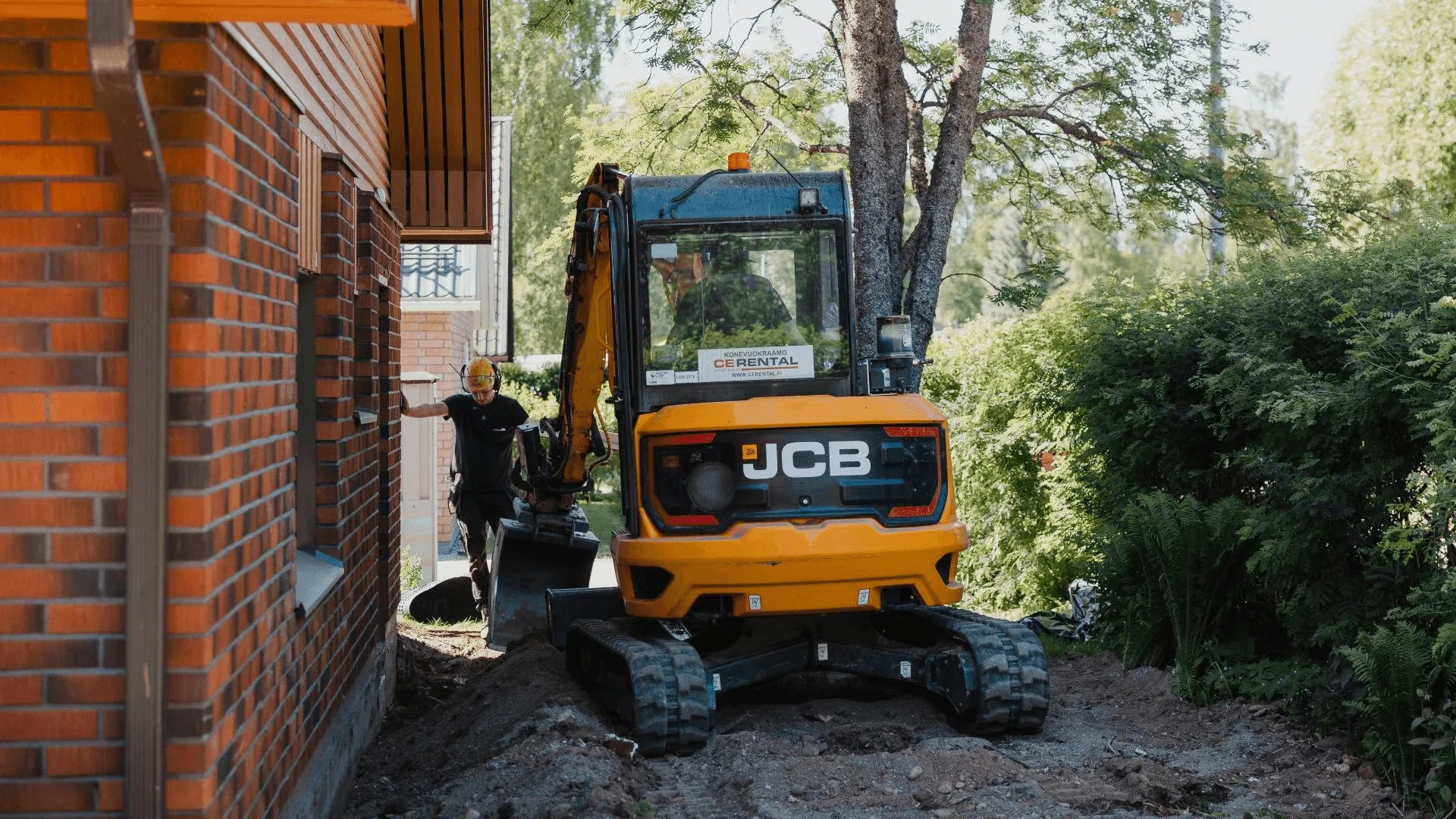
Shrinkage and drying of building materials
As concrete cures and dries, small hairline cracks can form. As Sarah Etler explains in her article, these are not serious but can be prevented with proper curing. Hairline cracks are especially common in new buildings and do not necessarily indicate a structural problem. However, they should still be monitored.
Frost and soil movement
Finland’s varying weather conditions place significant stress on foundations. Frost heave and soil movement can create pressure that appears as cracks in the foundation. In particular, slanted or wider cracks may indicate ground movement. As we explain in a previous article:
Dense or poorly permeable soil may lead to surface runoff, which requires more effective drainage.
Frost heave is especially common in clay and silt soils, which retain a lot of water. That is why proper frost protection and a functional drainage system are essential in preventing cracks.
Insufficient drainage and moisture buildup
If drainage is not working properly, moisture can place continuous stress on the foundation. As Stephanie Minasian-Koncewicz writes:
Poor drainage, pipe leaks, and extreme weather conditions can all contribute to foundation damage.
Long-term moisture exposure can not only damage the surface but also enlarge existing cracks. In such cases, a crack is often a sign that the condition of the drainage system should be inspected. You can read more about the structure of a functional drainage system here.
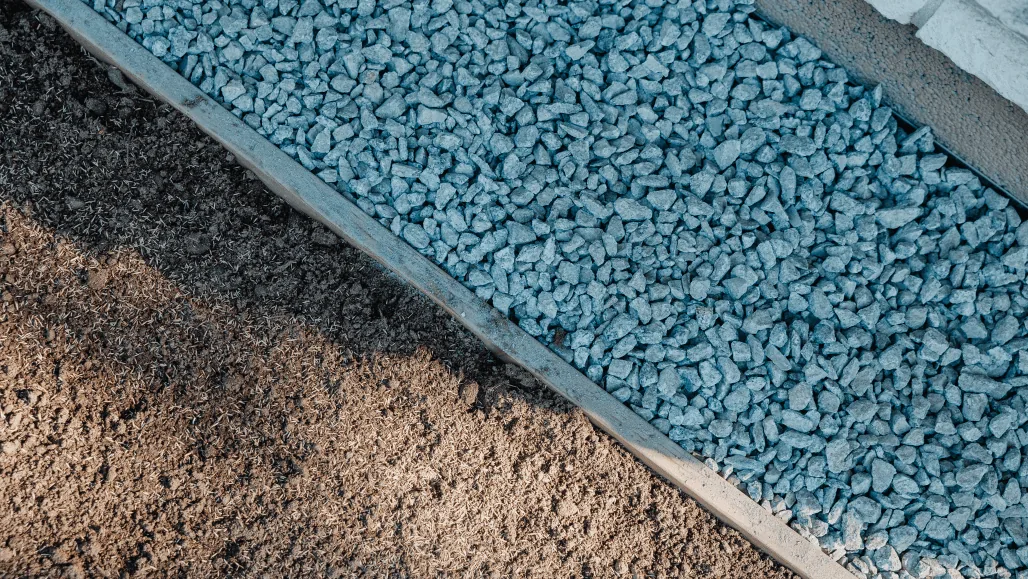
Are small cracks in the foundation harmful?
Small cracks in the foundation are usually not structurally dangerous. They often occur due to concrete shrinkage, surface deterioration, or weather-related stress. However, they can be a cosmetic issue and may also act as pathways for moisture. If moisture penetrates deeper into the structure, it can increase the risk of frost damage and concrete deterioration. For this reason, even small cracks should generally be repaired and protected, even if they do not immediately weaken the structural integrity of the foundation. If cracks start to grow, multiply, or are accompanied by other signs of structural movement, it is advisable to have the situation assessed by a professional.
When should you be concerned about a crack in the foundation?
You should be concerned about a foundation crack when it no longer appears as a typical hairline crack. Warning signs include cracks wider than 2–3 mm that run through the entire foundation wall, cracks that continue to widen over time, or the appearance of new cracks nearby. Diagonal, stepped, or vertical cracks may also indicate movement in the foundation. As Brian Dalinghaus writes:
Unlike vertical cracks, horizontal cracks are often more concerning and indicate significant structural issues.
Small, stable hairline cracks are usually only cosmetic and can be monitored over time. It is recommended to measure cracks regularly to track any changes and determine whether professional assessment or potentially a drainage renovation is needed.
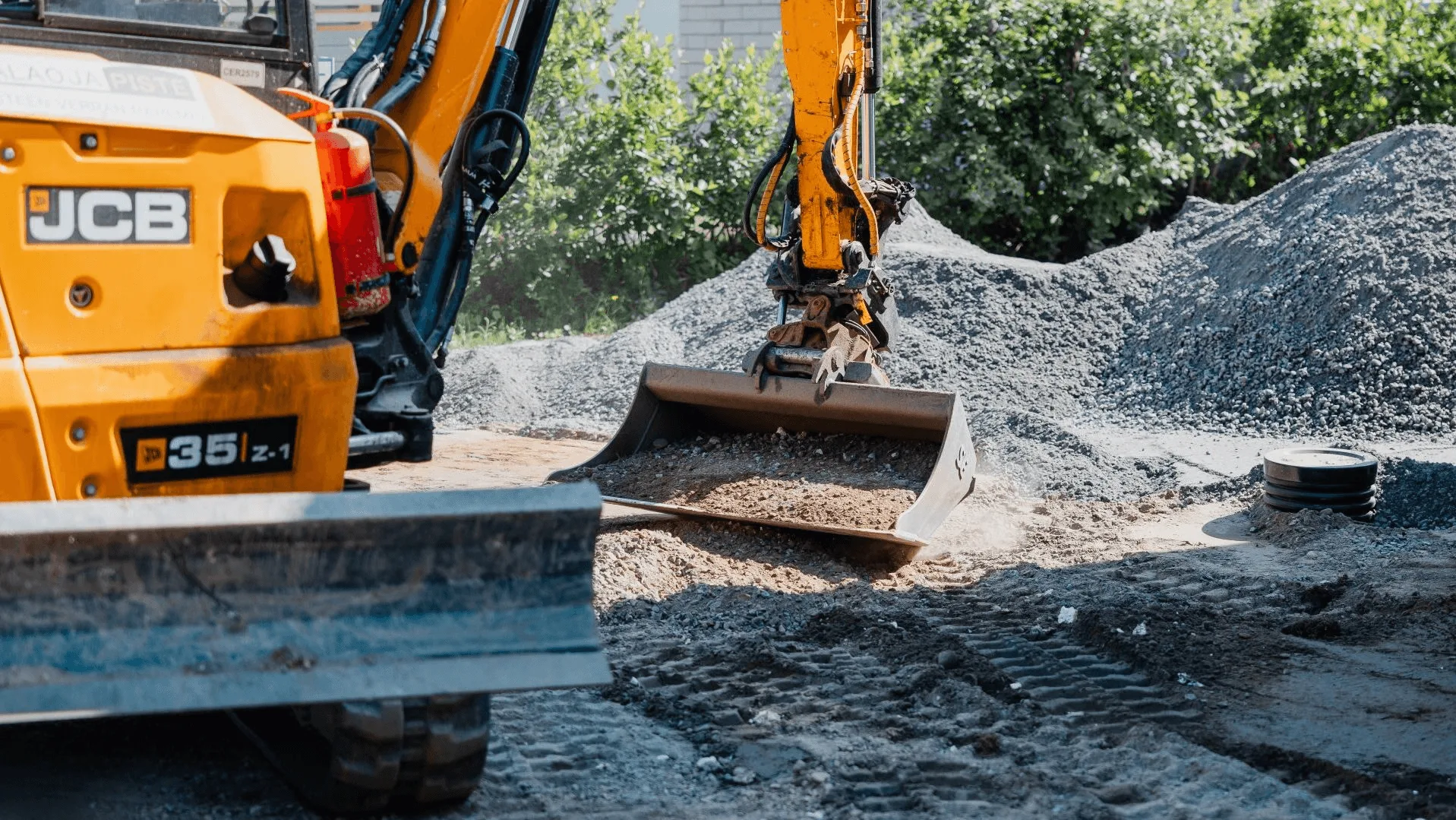
What to do if there is a crack in the foundation?
When you notice a crack in the foundation, the first step is to assess its type and extent: is it a harmless hairline crack or a sign of a more serious issue? In some cases, the crack can be fixed with simple patching, but it is sometimes also necessary to inspect surrounding structures, such as drainage systems and stormwater management. This helps ensure that the crack is not caused by moisture buildup or soil movement, which could lead to further damage in the future. Next, we will look at how foundation cracks can be repaired and when it is important to check the functionality of water drainage.
Repairing a foundation crack
We are sometimes asked what to use to repair a foundation crack. Small hairline cracks can be repaired by cleaning the area and filling it with an elastic sealant or repair mortar, preventing moisture from entering the structure. For wider or expanding cracks, injection materials are typically used. If the damage extends deeper into load-bearing structures, it is important to request a professional assessment.
Inspection of drainage and stormwater systems
Cracks can also be caused by moisture pressure, so it is important to check the functionality of drainage and stormwater systems. If water accumulates around the foundation, it increases soil movement and frost stress. A properly functioning drainage system protects the foundation and can be just as important as repairing the crack itself.
How can foundation cracks be prevented?
Foundation cracks can be prevented by ensuring that drainage and all water removal systems function properly and keep the foundations dry. Yard grading should also direct rainwater and meltwater away from the building so that excess moisture does not accumulate around the foundation. In addition, the foundation should be inspected regularly, small defects repaired in time, and surface coatings maintained, as this helps prevent larger cracks from forming and extends the lifespan of the structure.
If you have concerns about the condition of your foundation, feel free to contact us—we at Salaojapiste provide free inspections and help you understand the true condition of your foundations.
Lähteet
What is Shrinkage of Concrete and How to Avoid Them
11 Types of Cracks in Concrete (and What They Really Mean)
Foundation Cracks: What Is Normal and When To Worry
Are Small Cracks In A Foundation Normal?
Salaojien tarkastus – Hinta ja yleisimmät kysymykset
Salaojaremontti –10 tärkeintä kysymystä
Salaojan rakenne – 7 tärkeää osaa toimivaan salaojitukseen
Milloin talon salaojitus kannattaa uusia? – 7 selvää merkkiä