What is a false plinth? – 8 most common questions
What is a false plinth?
The false plinth is a well-known construction detail, but at the same time one of the most frequently asked-about structural solutions. Many people wonder whether a false plinth is actually problematic, how to identify it, and what should be done if one is found in their own house.
In this article, we go through eight key questions about false plinths. You will learn why they were originally used, whether they can cause problems, and how to properly maintain a house with a false plinth. Whether you are considering buying a new home or evaluating the structure of your current house, this guide provides clear, practical answers.
Key highlights
False plinths were widely used in the 1970s and 1980s because they gave buildings a cleaner exterior appearance and allowed the plinth height to be adjusted according to terrain conditions.
A false plinth can be identified by the fact that there is no clear threshold in the building – the floor level is almost at the same height as the ground.
A false plinth is more vulnerable to issues than a traditional plinth.
The cost of repairing a false plinth varies significantly depending on how extensively the structures need to be opened and which repair method is used.
The safety of a false plinth is ensured by proper moisture management, including functioning drainage systems, intact damp proofing, correctly shaped ground slopes, and sufficient ventilation of the subfloor.
What is a false plinth?
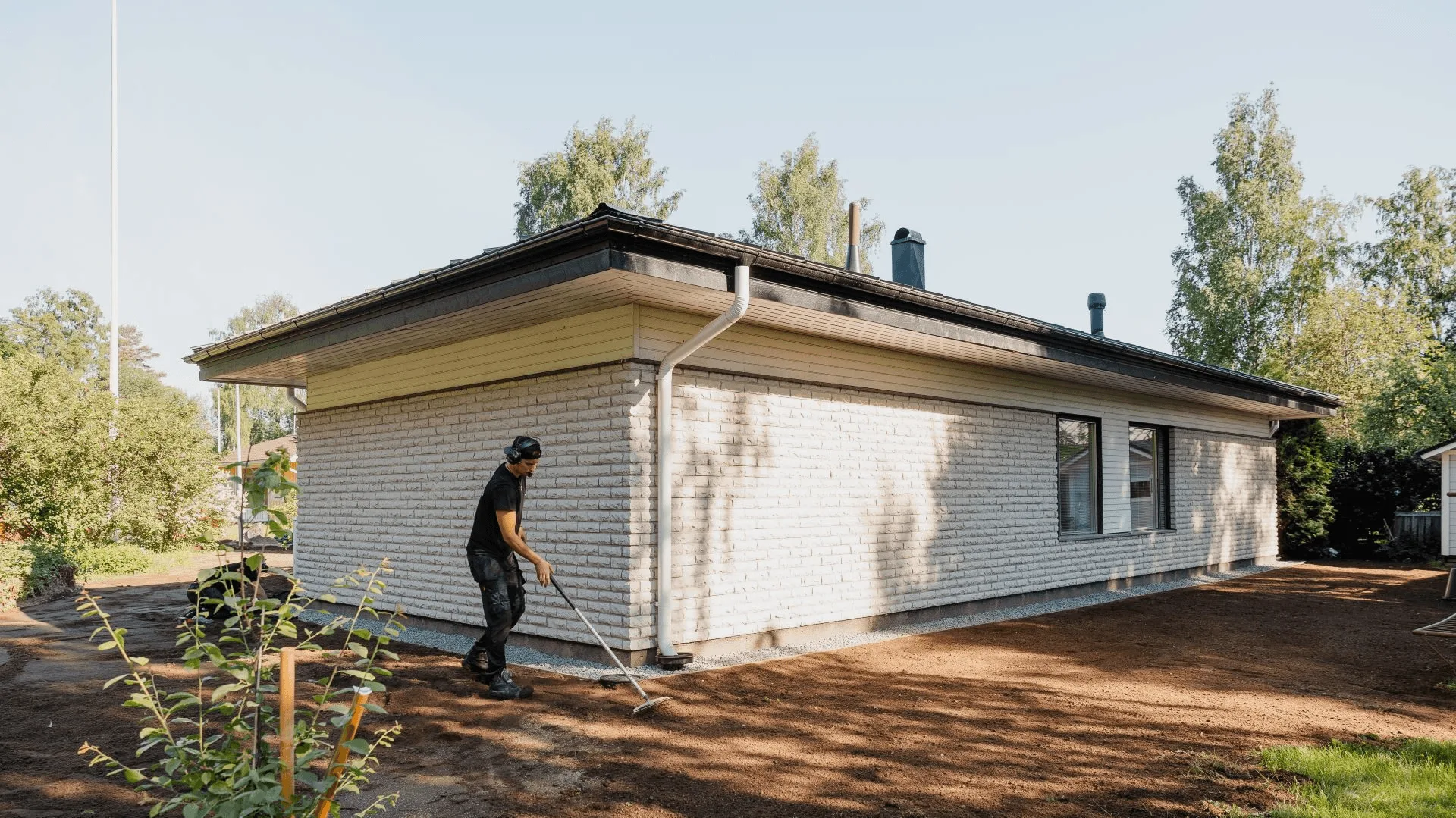
A false plinth is somewhat like an optical illusion in construction—it looks like a normal foundation plinth, but in reality the floor level and ground level are almost at the same height. Because of this, it is considered a risk structure.
This construction method was widely used in the 1970s and 1980s because it made buildings look more visually clean and allowed builders to adjust the plinth height according to the terrain. However, the problems with false plinths often arise because many of these houses lack proper damp-proofing layers and drainage systems, allowing moisture to rise into the building structures.
Today, the false plinth is no longer used in modern construction standards, but older buildings with this structure still require inspection and, in many cases, corrective renovations.
How to recognize a false plinth?
We are often asked how to identify whether a house has a false plinth. There are a few clear signs that make recognition quite straightforward.
First, when you enter the house, you may notice that there is no proper threshold—indoor floor level and ground level are almost aligned. Normally there is a small step up, but in false plinth buildings the wall starts almost directly at door level.
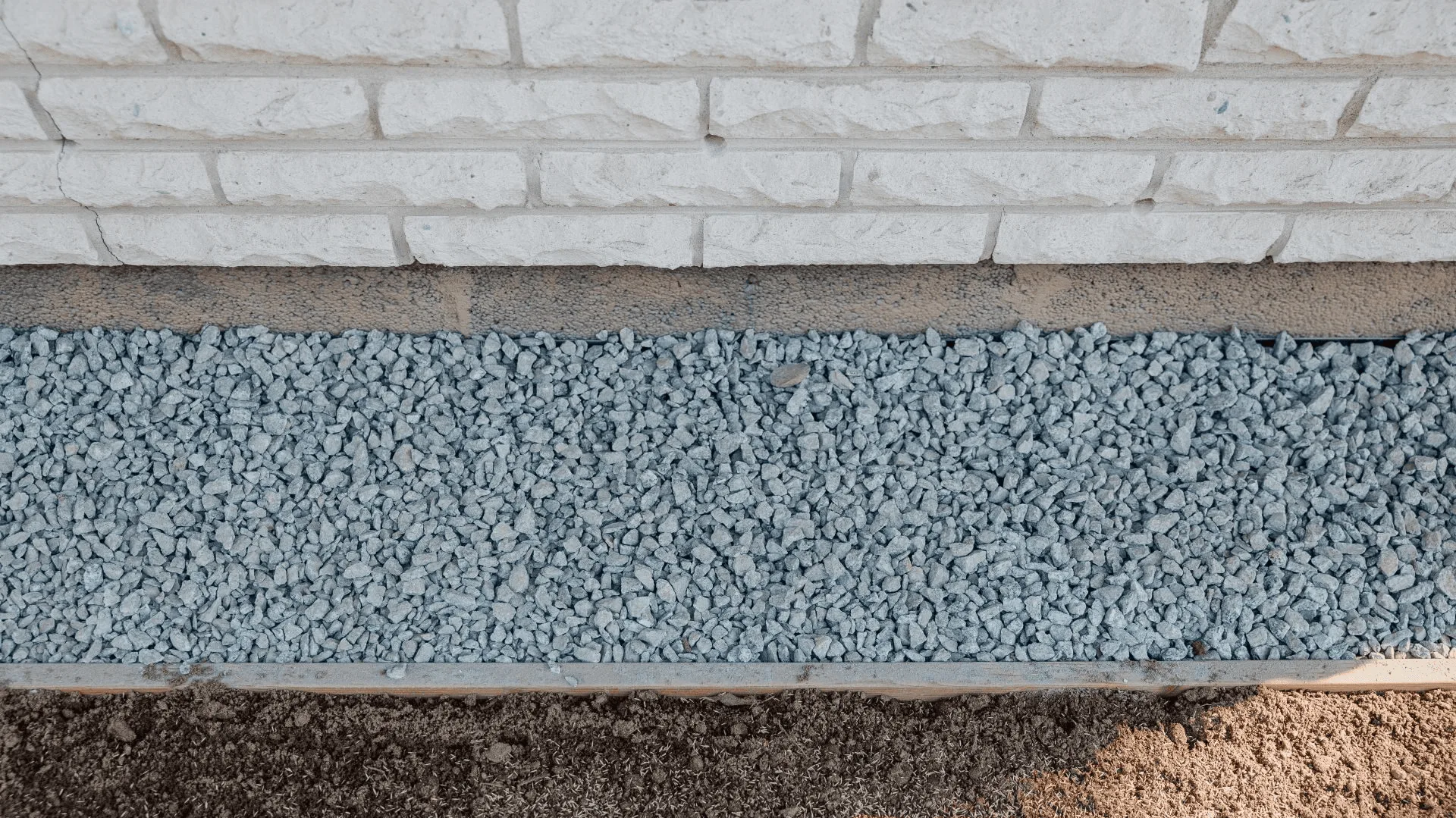
From the outside, the plinth may also appear unusually low, with only a small portion rising above ground level. If you inspect more closely, you may notice that the lower part of the wall is very close to the soil and lacks proper moisture protection, such as damp-proof membranes or adequate drainage systems.
A professional inspection can confirm the structure more accurately by evaluating both internal and external construction details.
Why is a false plinth bad?
A false plinth is mainly considered problematic because it exposes the building to moisture-related issues. When the indoor floor level and ground level are almost the same, moisture can easily migrate into the structures, and without proper damp-proofing layers or drainage systems, the moisture tends to remain trapped inside the building materials.
As a result, wooden structures may start to rot, mold problems can develop, and even indoor air quality issues may arise. In addition, repairs can become expensive and complex once the damage becomes severe. So although a false plinth may look neat from the outside, it can lead to significant long-term problems—and costly repairs.
Problems with a false plinth
The 5 most significant problems caused by a false plinth are:
Moisture damage
Mold and rot damage
Indoor air quality issues
Hidden structural problems
Expensive repair costs
Traditional plinth vs. false plinth
In a traditional plinth, the building’s foundation rises clearly above ground level, and the floor is well separated from the soil. Damp-proof membranes and drainage systems ensure that moisture is directed away from the structure, keeping wall bases dry and indoor air healthy.
In a false plinth, however, the floor and ground levels are nearly aligned, which exposes the structure to moisture—especially if damp-proofing layers and drainage systems are missing. This increases the risk of rot and mold in wall structures, and problems may remain hidden for a long time before appearing as costly repair needs.
While a traditional plinth effectively protects the building, a false plinth carries a significantly higher risk of structural and indoor air issues.

Is a false plinth always a risk?
A false plinth is not automatically a risk, but it is inherently more vulnerable to problems than a traditional plinth. Many people wonder whether a false plinth can actually remain safe. If the structure is well built and the building has properly functioning drainage systems and damp-proofing layers, a false plinth can remain in good condition for decades.
Problems usually begin when moisture management has been neglected—for example, if drainage systems or damp-proofing membranes are missing, or if the surrounding ground slopes toward the building instead of away from it.
As noted in an earlier article:
“If the house does not have drainage systems, water can accumulate around the building foundations and subfloor structures.”
Without proper drainage, moisture can easily enter the structure and lead to rot damage and mold problems.
What is a properly functioning false plinth?
A healthy false plinth is one where moisture is effectively kept away from the structure. Drainage systems must function properly, damp-proofing layers must protect the foundation, and the ground surface must slope away from the building so that water does not accumulate near the base of the structure.
As highlighted in an earlier article:
“The role of the damp-proof membrane becomes especially important when the drainage system is not functioning properly and water begins to rise along the foundation walls.”
In practice, effective drainage and proper damp-proofing are essential to keeping a false plinth dry and structurally sound. In a well-functioning system, the lower parts of the walls and floor junctions remain dry, with no signs of moisture, decay, or mold.
Regular maintenance of the drainage system is also important to prevent issues such as blockages or settlement that could compromise performance. When these fundamentals are in place, a false plinth can perform just as reliably as a traditional one—it simply requires more attention and monitoring.
Does a false plinth need to be repaired?
A false plinth does not necessarily need immediate repair if the structure is sound and there are no signs of moisture problems. However, if the building shows signs of dampness, rot damage, or unusual indoor air odors, repair is often the only viable solution.
False plinth structures are inherently more sensitive to moisture-related issues, especially if drainage systems and damp-proofing layers are missing. In such cases, moisture can easily penetrate the structure.
If problems are allowed to progress, repair costs can increase significantly over time.
If a building has a false plinth, there are typically two options: either a major structural renovation such as internal foundation repair (“benching/underpinning-type solutions”), or a lighter external approach such as a drainage renovation.
How much does false plinth repair cost?
The cost of repairing a false plinth varies significantly depending on how extensively the structures need to be opened and which repair method is used.
A lighter external drainage renovation is considerably more affordable and is often sufficient if the structures are still in good condition. However, if the damage has progressed further, a more extensive renovation may be required—such as internal structural replacement of the lower wall sections (“sill replacement”), which is substantially more expensive.
Let’s look more closely at what these repairs typically cost and what they involve.
Drainage renovation cost
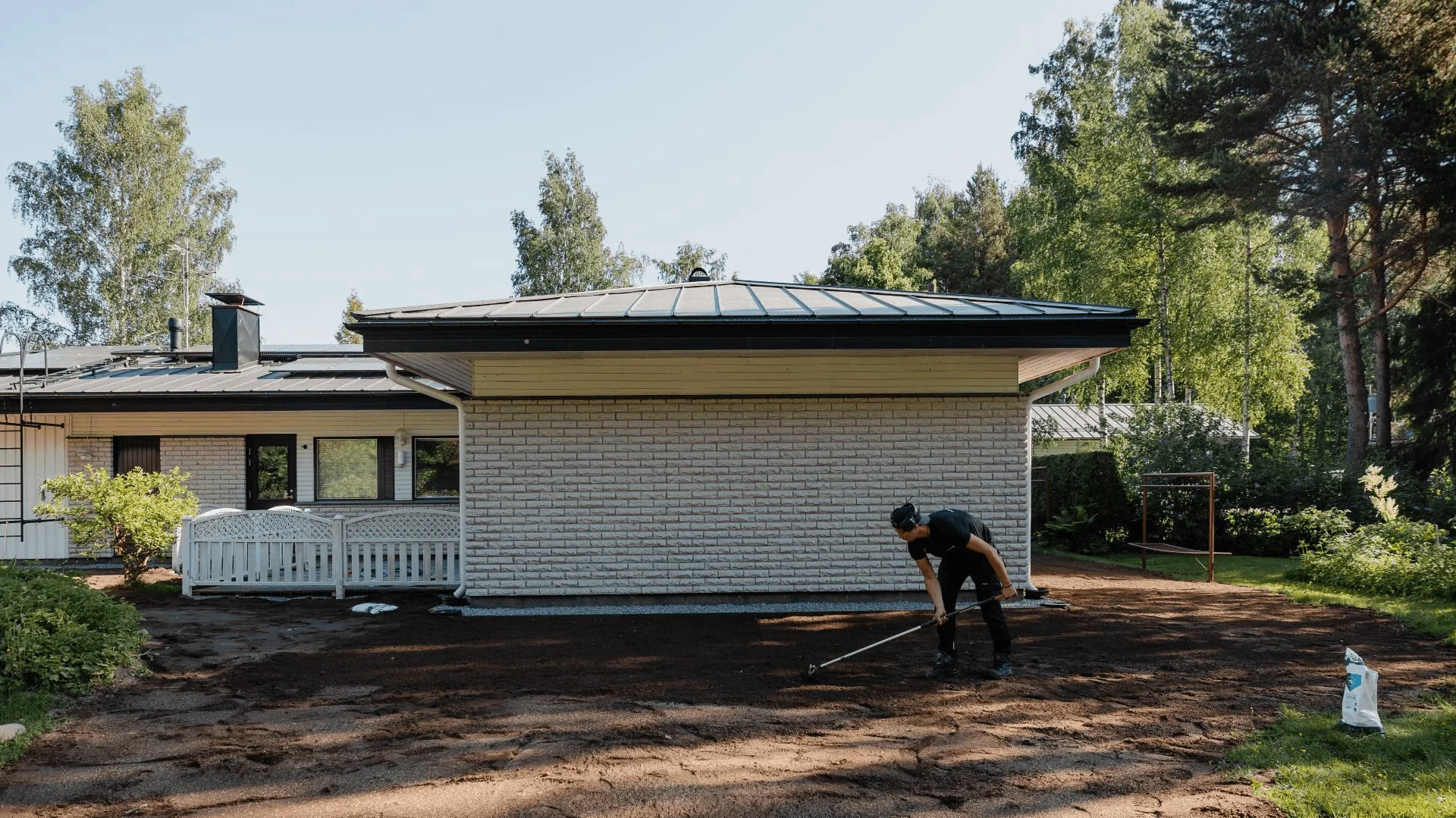
A lighter drainage renovation is usually the most cost-effective repair option for buildings with a false plinth.
As noted in an earlier article:
“The cost of drainage renovation through our service is on average between 14,000 and 22,000 euros.”
The price largely depends on the size of the building, soil conditions, and how easily excavation can be carried out around the property. Costs are also affected by whether damp-proofing layers are replaced and whether improvements are made to the rainwater drainage system.
A properly executed drainage renovation can significantly extend the lifespan of a false plinth building and prevent moisture problems before they even start.
Structural sill repair (rebuilding the lower wall section)
If moisture damage in a false plinth has progressed too far, a drainage renovation alone may no longer be sufficient. In such cases, a more extensive solution is required: structural sill repair, where the lower parts of the walls are opened, decayed materials are replaced, and proper moisture protection is installed.
The cost of this type of renovation typically ranges between 30,000 and 70,000 euros, depending on the size of the building, the extent of damage, and how much reconstruction is required.
Although sill repair is expensive and labor-intensive, it can effectively save the building and restore its structures to near-original condition.
How to ensure a false plinth is safe
The safety of a false plinth is ensured primarily through proper moisture management—meaning functional drainage systems, correctly shaped ground grading, and adequate ventilation of the subfloor structures.
The first step is to confirm that drainage systems and damp-proof membranes are correctly installed and, more importantly, that they are actually functioning as intended.
As noted in an earlier article:
“A drainage system must maintain a correct and continuous slope so that water can flow properly.”
Damp-proof membranes also play an essential role: they protect the lower parts of the wall and prevent moisture from being absorbed directly into the structure.
If there are concerns about the condition of a false plinth, it is recommended to carry out a professional inspection to assess whether the moisture control systems are working properly and whether any corrective measures are needed.
Lähteet
Salaojaremontin hintaopas – Mitä salaojaremontti maksaa 2025?
Salaojaremontti –10 tärkeintä kysymystä
Patolevyn asennus -Näin vältät kalliit virheet
Can I Fix Poor Drainage Around My Home’s Foundation? 6 Steps to Take