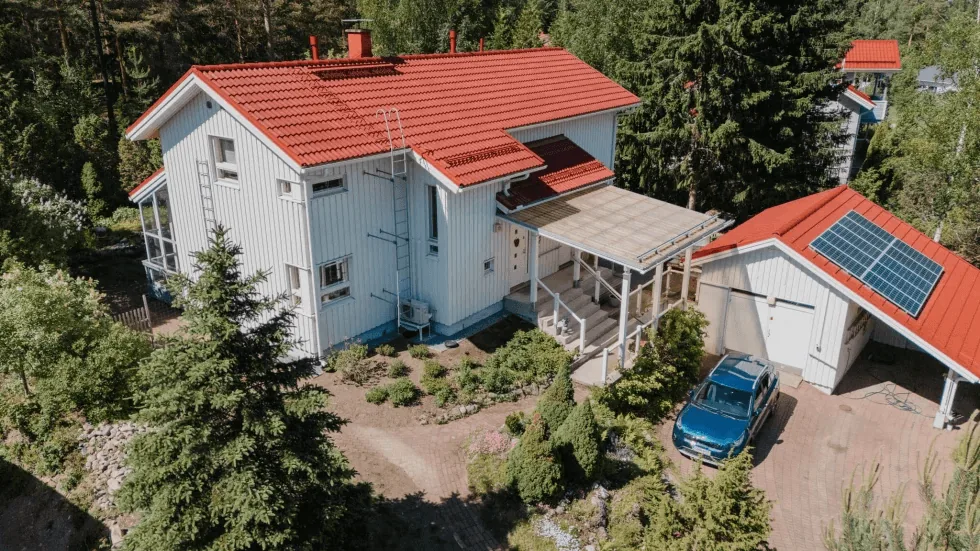
When should house drainage be renewed? – 7 clear signs
Drainage systems quietly perform an important job in a building’s foundation
Drainage systems keep moisture away from the structure and protect the building’s foundation. Over time, however, this invisible system wears out—and when drainage systems begin to fail, the consequences quickly appear as moisture damage, mold, and indoor air problems. But how do you know when it is actually time to upgrade your home’s drainage system? Fortunately, there are clear warning signs that can help prevent major damage in time.
In this article, we go through seven warning signs that indicate your drainage system may need renewal. We also explain how long drainage systems typically last and why soil conditions play an important role in keeping your yard dry.
Key takeaways from the article
Drainage systems prevent water from entering the building’s foundation, protecting structures from moisture damage, mold, and other deterioration.
Well-installed and properly maintained drainage systems can last up to 30–50 years.
If water stands in an inspection well, it is a clear sign that the drainage system is not functioning properly.
A poorly functioning drainage system can show many symptoms, and the first signs often appear in the yard.
Soil conditions significantly affect drainage performance, as different soil types have different water permeability characteristics.
When is drainage needed for a house?
Drainage is needed when the soil cannot absorb water quickly enough and water begins to accumulate around the building. Tony Carrick writes about this as follows:
“If water tends to collect in a low spot on your property after a rainstorm, a yard drainage system can help solve the problem.”
Drainage is especially important in areas with heavy rainfall, high groundwater levels, or clay-rich soil that does not drain well. Drainage systems prevent water from reaching the building’s foundation, thereby protecting structures from moisture damage, mold, and other deterioration. Drainage may also be necessary during construction projects, yard renovations, or in areas where the soil has become compacted, in order to prevent water accumulation.
How long do drainage systems last?
The lifespan of drainage systems depends on several factors, such as the materials used, installation quality, and soil conditions. Well-installed and properly maintained drainage systems can last up to 30–50 years. However, drainage pipes—especially plastic ones—can become brittle and lose functionality over time.
As noted in our earlier article, which explains why drainage renovations should be handled by professionals:
“A drainage renovation is a technical and demanding project, as the proper functioning of the drainage system is essential for the long-term durability of the building.”
Drainage work should definitely be left to professionals if you want it to last long and function properly. Aging or damaged drainage systems often require repair or replacement before their expected lifespan, especially if they no longer drain water effectively. Regular inspection and maintenance extend the lifespan of drainage systems.
How do you know if drainage is not working?
A malfunctioning drainage system can be identified through several signs. These 7 indicators suggest that the drainage system may not be functioning properly:
Moisture in the basement or subfloor
Visible damage to foundations
Musty or damp indoor air
Surface water does not drain from the yard
Water stands in inspection wells
Sediment accumulates in stormwater drains
No information about drainage maintenance history
In this article, we will now take a closer look at these signs, which are important to monitor.
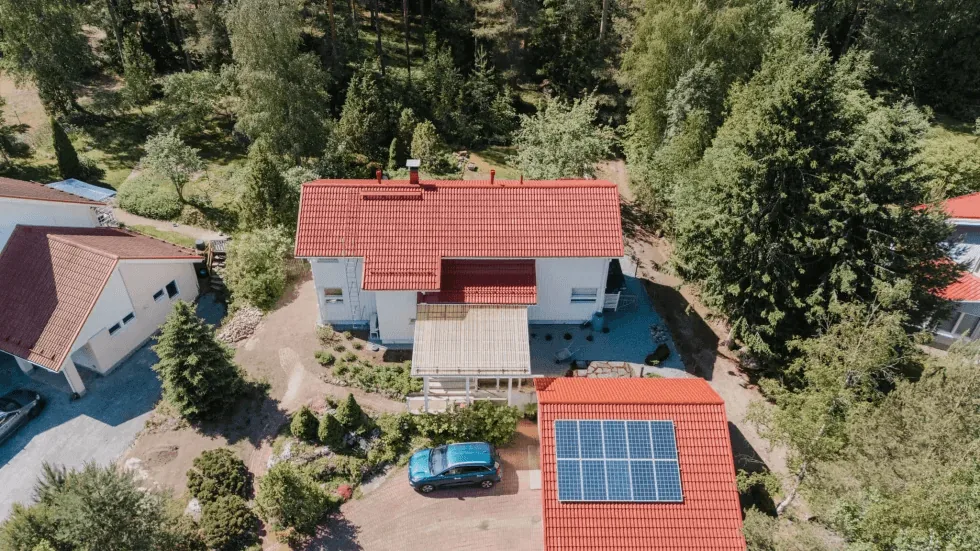
Signs of a poorly functioning drainage system
A poorly functioning drainage system can manifest in many ways, and often the first signs appear in the yard. If water or moisture accumulates in the area, especially around the building, the functionality of the drainage system often comes into question. As we already mentioned in an earlier article:
“Drainage system malfunction can be identified if there is moisture or a musty smell in the basement or subfloor, standing water accumulates in the yard, there is damage to the foundation, floors are uneven, or there are water leaks in the basement.”
Next, we will go through some signs that may indicate that the drainage system is not working properly and when a drainage renovation should be considered.
1. Moisture problems in the subfloor or basement
If the drainage system is not working properly, it is often noticed by moisture appearing in the subfloor or basement. Walls and floors may feel damp, paint may peel, and dark spots may appear in corners. A musty, cellar-like smell is also a clear sign that something is wrong. Water may collect on the floor, and cracks may appear in the foundation due to frost movement.
2. Soil moisture rising into the foundation
Another clear sign of a poorly functioning drainage system is moisture from the soil starting to rise into the foundation. If water is not directed away from the building, it can be absorbed into the foundation and cause long-term stress to the structure.
Over time, this moisture can damage the foundation and weaken indoor air quality.
3. Musty or damp indoor air
When moisture accumulates in the foundation and structures, it can rise into indoor air and cause unpleasant odors, heavy air, and even visible moisture on surfaces.
Long-term indoor humidity increases the risk of mold and microbial growth, which can lead to health issues such as respiratory symptoms and headaches. It is especially concerning if the musty smell does not disappear with ventilation, as this indicates a continuous source of moisture that may be hidden within the structures.
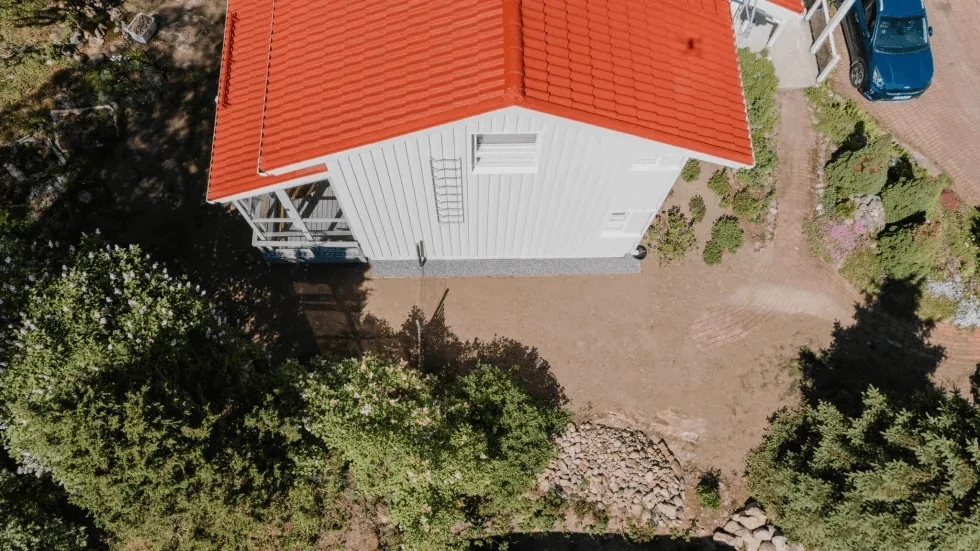
4. Water accumulates and remains in the yard
If water remains standing in the yard after rainfall or snowmelt, it is often a sign of a poorly functioning drainage system or insufficient yard grading. When water cannot infiltrate into the ground or flow away from the building, it increases moisture stress on the foundation and plinth and places additional load on the drainage system.
Standing water over time can eventually seep into structures and cause moisture damage, mold growth, and reduced indoor air quality. It is especially concerning if water accumulates close to the building, as this also increases the likelihood of capillary moisture rising into the foundation.
5. Water remains in inspection wells
Water standing in inspection wells is a clear sign that the drainage system is not functioning properly. Inspection wells are designed to show how well water flows through the drainage system, and if water is constantly present, it usually indicates either a blockage or that the system is not draining efficiently.
It is particularly concerning if the water level remains high for long periods even during dry weather, as this suggests the issue is not only due to heavy rainfall but points to a persistent system malfunction. Inspection wells should be checked regularly so that potential issues are detected early.
6. Sediment or sludge in wells
The accumulation of sediment or sludge in inspection wells also usually indicates that the drainage system requires maintenance. Over time, soil particles, sand, and other debris enter the drainage system and collect in the wells, which can clog pipes and slow down water flow.
If excessive sludge builds up, water can no longer flow properly away from the foundation, increasing the risk of moisture damage to structures. Regular cleaning of inspection wells and monitoring sediment levels help prevent larger problems and ensure the drainage system functions as intended.
7. No information about drainage maintenance
If there is no information about drainage maintenance, extra caution is needed. Drainage systems require regular inspection and maintenance to remain functional, and without maintenance history, it is impossible to know when the system was last cleaned or inspected.
As Craig Tripp writes in his article:
“Drainage systems must be monitored for blockages. Because they are underground and intentionally invisible, it is difficult to know when a drainage system begins to clog.”
Especially in older properties where original drainage systems may have been in place for decades, it is important to assess the condition with the help of a professional. If there is no documentation of maintenance, inspection and possible flushing are often the best ways to ensure the system is functioning properly.
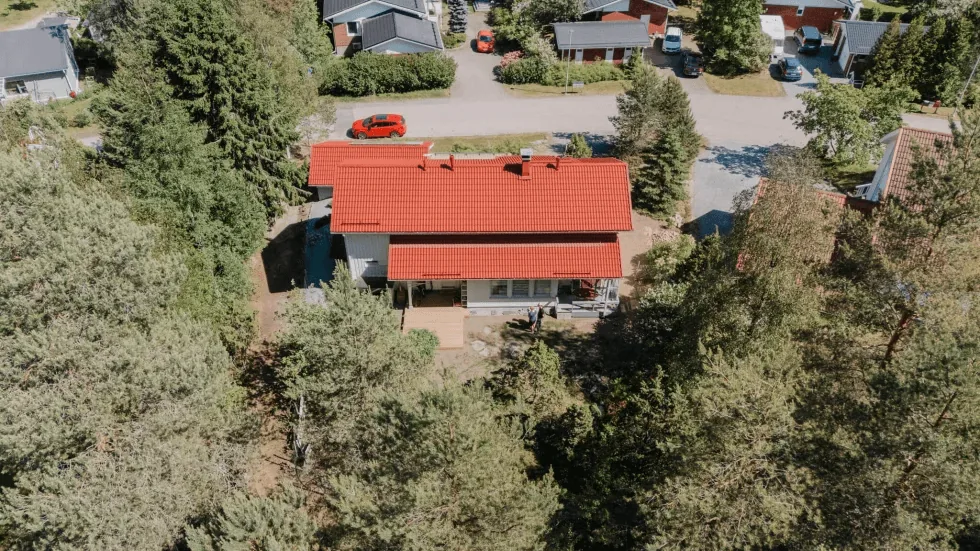
How does soil type affect the need for yard drainage?
Soil has a significant impact on the need for yard drainage, as different soil types have different water permeability characteristics. Sandy soil allows water to drain quickly, which may reduce the need for drainage, while clay soil retains water and can cause water to accumulate on the surface, increasing the need for drainage. Dense or poorly permeable soil can lead to surface runoff, which requires more effective drainage solutions.
As explained in the drainage article:
The first step in installing a drainage system is assessing the area and determining the required system type. This includes evaluating rainfall levels, terrain slope, and soil type. Based on this information, the most suitable drainage system type and materials for the building can be selected.
A precise analysis of soil conditions is essential for designing an effective drainage system.
Lähteet
Salaojaremontti –10 tärkeintä kysymystä
Salaojaremontin hintaopas – Mitä salaojaremontti maksaa 2025?
What Is Drainage? How To Install Drainage?
French Drains 101: How Well-Placed Trenches and Pipes Can Keep Your Property Dry
Can I Fix Poor Drainage Around My Home’s Foundation? 6 Steps to Take