Downspout drain installation – how to safely direct rainwater away
Gutter drain installation is an important part of a functioning stormwater system that protects a building from moisture damage. By directing rainwater safely away from the foundations, unnecessary risks can be avoided and the building’s lifespan can be extended. Properly implemented stormwater management is a key component of comprehensive drainage systems.
In this article, we explain how gutter drain installation is done correctly and where it should be placed.
Key takeaways from the article
A gutter drain is a component of the stormwater system located under the downspout.
Its purpose is to direct water safely away from the building’s foundations.
A gutter drain is always installed at the point where water from the downspout is discharged.
Correct installation helps protect both the building and the yard from water-related damage.
Incorrect installation can cause significant problems for the building’s structure and surrounding area.
What is a gutter drain?
A gutter drain is a key component of a stormwater system whose purpose is to direct water safely away from a building’s foundations, either through a stormwater pipe system to a municipal drainage network or into an open ditch. As ABT Drains states: “Gutter drains collect excess water and prevent flood damage near buildings.”
In this way, a gutter drain prevents water from flowing toward building structures and helps reduce the risk of moisture damage.
Gutter drain and stormwater system
A gutter drain acts as a connection point in the stormwater system, where rainwater from roof gutters and downspouts is collected. Properly designed and correctly installed systems help protect the property from erosion and surface water problems. A well-executed stormwater system is therefore an essential part of long-term moisture safety for any building.
Gutter drain and drainage system
A gutter drain is not connected to the subsurface drainage system; stormwater and drainage water are kept separate. The only point where these systems can be combined is in a combined sump or collection well (perusvesikaivo).
How is a gutter drain installed correctly?
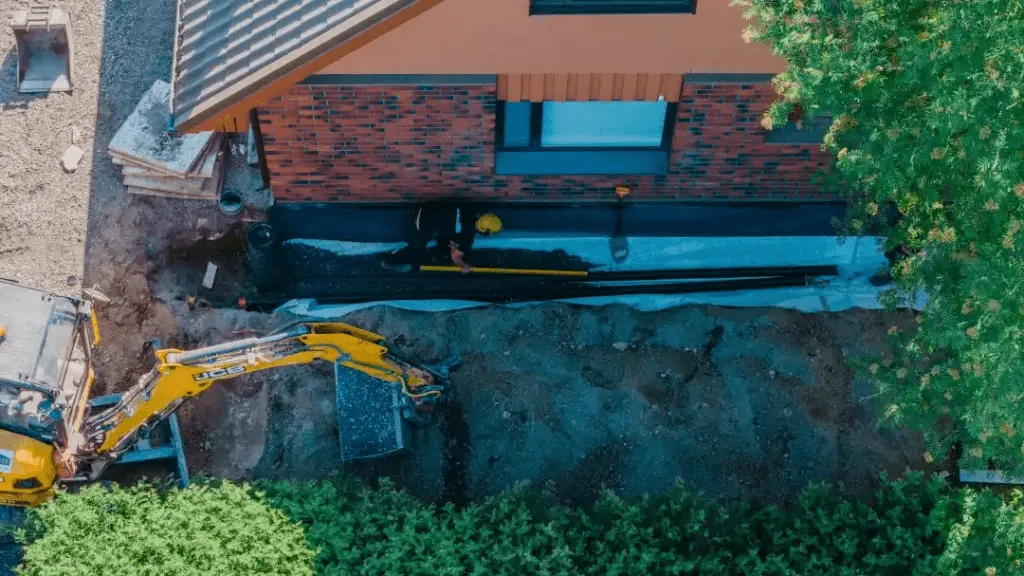
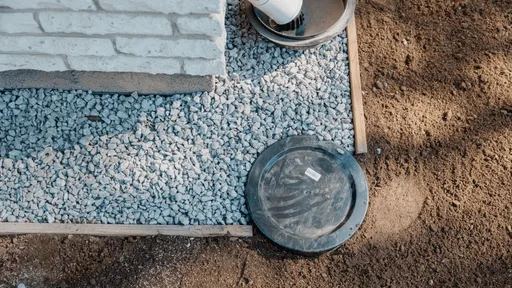
Correct installation of a gutter drain is naturally an essential part of a functioning stormwater system. The installation begins by identifying the optimal location for the drain. A gutter drain is always installed at the point where water from the downspout is directed. The drain is positioned so that its cover is level with the ground surface, allowing water to flow freely into the system.
An excavation is then made deep and wide enough for the drain to fit properly and for the outlet pipe to be connected to the stormwater piping system with the correct slope (minimum 1:100). Once the drain is in place and the pipe securely connected, the excavation is backfilled carefully and the ground surface is shaped so that surface water is also directed away from the building. This ensures the gutter drain functions properly as part of the stormwater system and helps keep the foundation area dry and protected.
Gutter drain installation in brief
Gutter drain installation is straightforward when following these steps, ensuring rainwater is properly managed and the drain becomes a functional part of the building’s stormwater system:
Location selection – Install the drain where rainwater from the gutters is discharged, typically at a building corner
Excavation – Dig a sufficiently deep and wide pit so the drain cover sits at ground level
Drain installation – Place the drain and connect stormwater pipes securely, ensuring a minimum slope of 1:100 for water flow
Backfilling and finishing – Fill the excavation and shape the ground so water flows away from the building
If you are planning to install a gutter drain yourself and possibly carry out drainage work as well, you can find more detailed instructions in our previous article.
What is the correct installation depth for a gutter drain?
A gutter drain is typically installed so that the drain cover is level with the ground surface. This allows rainwater from the downspout to flow directly into the drain without obstruction. The actual stormwater pipe is usually installed about 50 cm below ground level to ensure sufficient slope and to keep the pipe protected from freezing.
What can happen if a gutter drain is installed incorrectly?
An incorrectly installed gutter drain can cause several problems for both the building and the surrounding yard. If the drain is installed too shallow or without proper slope, water will not be directed away efficiently but instead may accumulate near the building. This increases moisture stress on the foundations and can eventually lead to structural damage.
If the drain is installed too deep, it can become difficult to maintain and may be more susceptible to freezing during winter. Poorly executed pipe connections can also leak, causing water to seep into unintended areas of the soil instead of being directed to the proper discharge point. This can weaken soil stability, cause frost damage in the ground, and even create new moisture-related issues. Proper installation is therefore essential for long-term building moisture protection.
Gutter drain installation and drainage renovation
When renewing a stormwater system and gutter drains, it is often sensible to also inspect the condition of the drainage system. Although gutter drains and subsurface drainage systems are two separate systems, their construction or renewal should be planned simultaneously. This allows excavation work to be carried out efficiently in a single phase, minimizing unnecessary work stages.
If you decide to use a professional instead of doing it yourself, contact us and we will assist you in both planning and executing the drainage renovation – ensuring a durable, functional result tailored to your building’s needs.
Lähteet
ABT Drains – Catch Basins: What Are They And How Do They Work?
Salaojaremontti – 10 tärkeintä kysymystä
Salaojan rakenne – 7 tärkeää osaa toimivaan salaojitukseen