False plinth structure – what is it and why does it involve risks?
A false plinth structure is found in many detached houses and row houses built between the 1960s and 1980s. It is a structural solution that can conceal serious risks related to moisture and mould damage.
In this article, we explain what a false plinth is, why it can cause problems, and how its risks can be prevented or repaired. Read our expert tips if you suspect a false plinth, related damage, or are planning a renovation.
Key takeaways from the article
In a false plinth, the lower part of the exterior wall can be located even below ground level.
False plinth structures are prone to various structural and health-related problems.
Ventilation in false plinth structures may be insufficient.
Signs of damage in a false plinth may include stale indoor air, unusual odours, respiratory symptoms, or cold and damp floor edges.
False plinth structures are most commonly found in buildings constructed between the 1960s and 1980s.
What is a false plinth structure?
As we wrote in a previous article on false plinths:
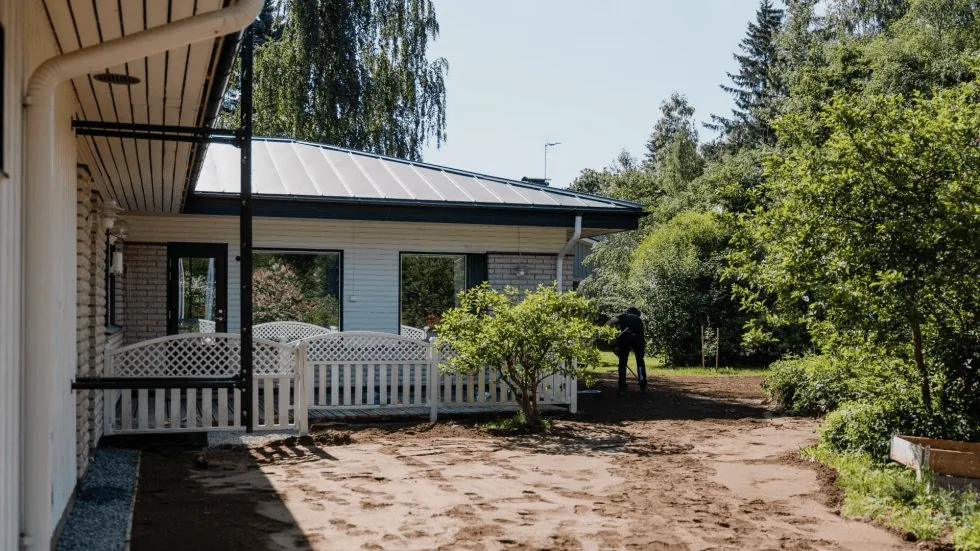
A false plinth is a bit like an optical illusion in construction—it looks like a normal foundation, but in reality, the floor level and ground level are almost the same.
A false plinth is a building foundation structure in which the timber-framed wall extends down to ground level or even below it. This means that wooden structural parts are continuously exposed to moisture stress, making the structure vulnerable to mould and rot damage.
Where are false plinth structures most commonly found?
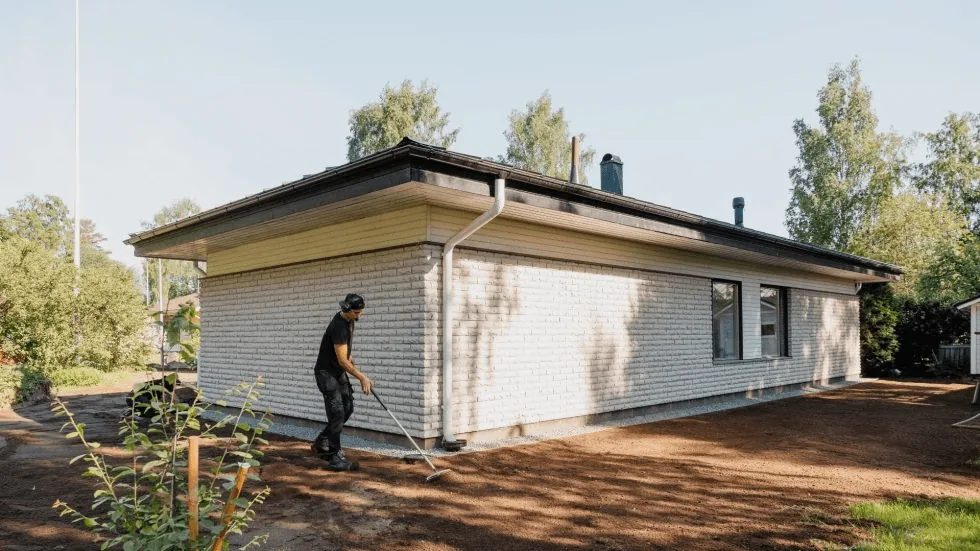
False plinth structures are most commonly found in detached houses and row houses built between the 1960s and 1980s. They are especially common in single-storey timber-framed houses, where the solution was used to achieve a low foundation height and a clean façade appearance. Many such buildings can be found in residential and suburban areas across Finland.
If you live in an older house where the lower part of the exterior wall is below ground level, it may be a false plinth structure. In such cases, it is important to monitor possible signs of moisture damage.
What problems does a false plinth structure cause?
A false plinth structure is prone to various structural and health-related issues that are not always detected in time. The main risk is moisture entering timber structures, which can cause significant damage to the lower parts of the building. Since the lower part of the exterior wall in a false plinth is located below ground level, the structure is continuously exposed to soil moisture.
These problems often develop slowly and remain hidden until they require major repairs. Below are the most common issues caused by false plinth structures.
Moisture damage and mould problems
As mentioned, the main issue with false plinth structures is moisture. Because the wall structure is located below ground level, especially timber frames are exposed to moisture stress. Over time, this can lead to rot damage, microbial growth, and mould, which may reduce indoor air quality and cause health issues. When drainage or waterproofing is insufficient, moisture-related problems are particularly common.
Insufficient ventilation
In false plinth structures, ventilation may be inadequate, which further contributes to moisture problems. Poor airflow prevents the structure from drying properly, allowing moisture to remain trapped inside. This accelerates the development of rot and mould and weakens the overall condition of the structure.
Hidden structural damage
One of the main challenges of false plinth structures is that damage often remains hidden. Since moisture-related issues typically develop inside the structure, they are not always visible until symptoms appear in indoor air or on interior/exterior surfaces. This makes detection and repair more difficult and often more costly.

How can problems in a false plinth structure be detected?
The condition of a false plinth should be monitored regularly so that issues can be identified as early as possible. Early signs of damage may include stale indoor air, unusual odours, respiratory symptoms, or cold and damp floor edges.
Problems can be confirmed more accurately through a professional condition assessment, which includes moisture measurements and, if necessary, partial opening of structures. Early detection helps prevent more extensive damage and allows repairs to be carried out at an early stage.
Can you live safely with a false plinth structure?
As Ted Dryce states in his article: “The structural durability of your home rest literally on the stability of its foundation. If your home has a foundation issue, the good news is that most foundations can be repaired.
You can live safely with a false plinth structure as long as its condition has been inspected, drainage is functioning properly, and any damage has been repaired in time. The structure should be regularly monitored and maintained when needed. As long as moisture is kept out of the structure, living in the building can remain safe and worry-free.
You can read more about drainage in older houses in our previous article.
How can a false plinth structure be repaired?
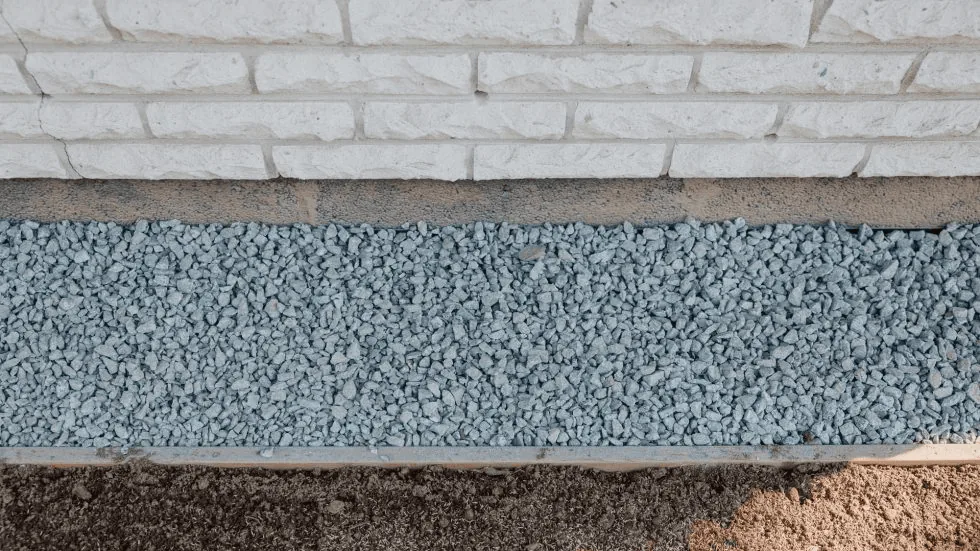
Repairing a false plinth is a major undertaking, but often a necessary one for the building’s long-term durability. The key principle in repairing a false plinth is the removal of damaged materials and raising the structure to a safer, drier level.
The 5 main steps in false plinth repair are:
Removal of damaged structures (wooden parts, mould-affected insulation)
Raising the frame / relocating the bottom plate to a higher level
Extending or raising the foundation
Improving moisture management (drainage system, ground grading)
Sealing, insulating, and balancing ventilation
How can Salaojapiste help with a false plinth?
At Salaojapiste, we do not directly repair false plinth structures, but if a building has a false plinth, a properly functioning drainage system is extremely important. The first step is to ensure that drainage is working correctly and that moisture cannot enter the building’s structures. As we stated in a previous article: “The easiest and most cost-effective way to prevent or reduce problems caused by a false plinth is often a drainage renovation.”
If you suspect missing drainage or your property is suffering from moisture issues, feel free to contact us and we will assess the situation.
Lähteet
Mikä on valesokkeli? – 8 yleisimmin mietityttävää kysymystä
Salaojien asennus vanhaan taloon – milloin ja miksi kannattaa?