Miten salaojaputki toimii? – Näin suojaat rakennuksesi kosteudelta
A drainage pipe (salaojaputki) is an essential part of a building’s moisture protection system, but for many people its structure and operating principle remain unclear.
In this article, we explain how a drainage pipe works in practice, when its replacement becomes necessary, and how its condition is inspected. You will also learn about the purpose, structure, and maintenance of drainage systems—clearly and in a practical way. The aim of this article is to clarify why drainage is one of the most important solutions for protecting building structures from moisture.
Key takeaways from the article
A drainage pipe is an important part of a properly functioning drainage system
The drainage pipe directs soil moisture away from the building’s foundation and protects structures from damage
Other components of a functional drainage system include a crushed stone layer, filter fabric, and inspection chambers
A clogged or aged drainage pipe can cause moisture problems in basements or subfloor structures
Inspection chambers should be checked annually, and professional cleaning can be ordered if needed
What is a drainage pipe?
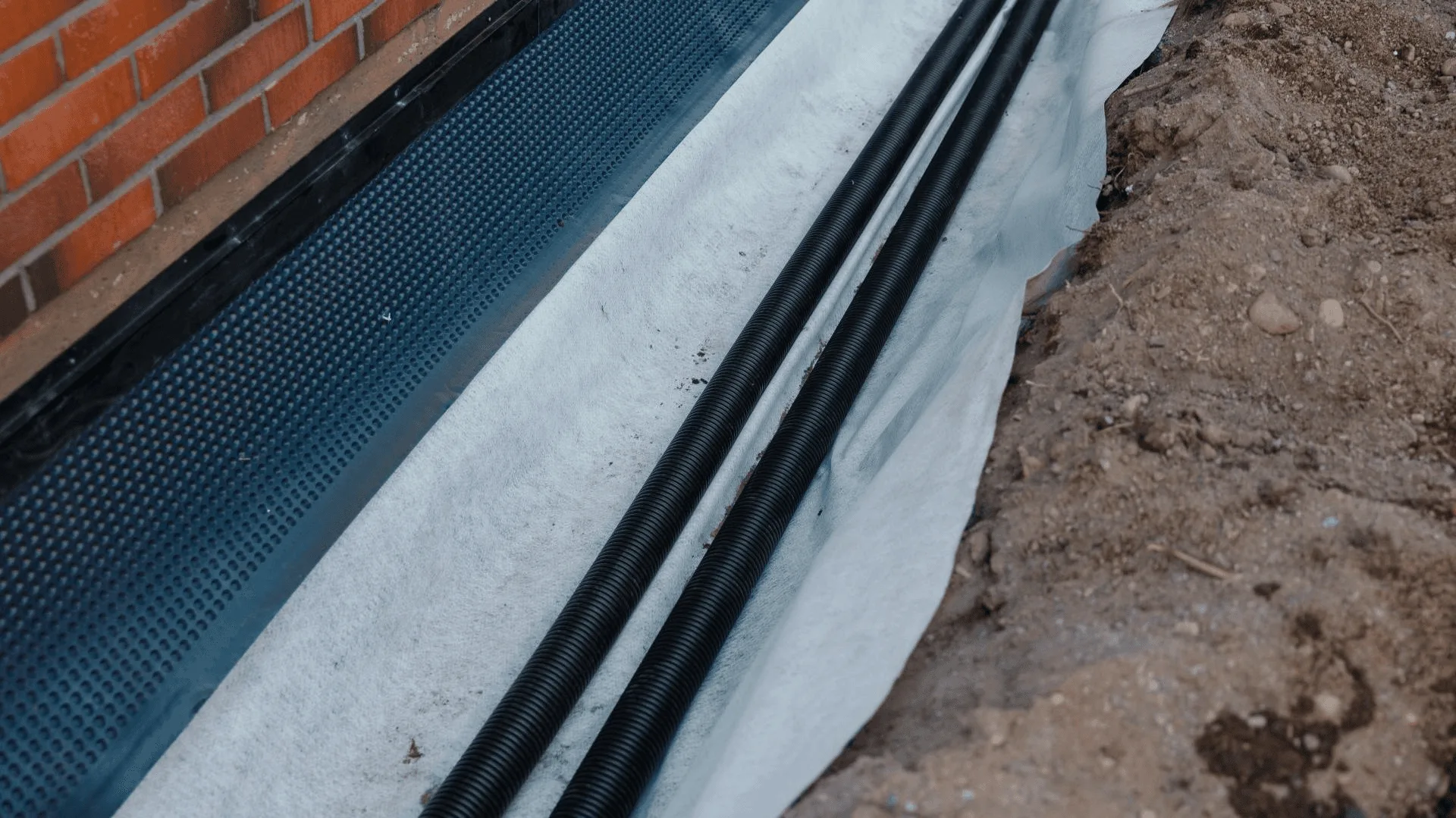
A drainage pipe (salaojaputki) is a perforated plastic pipe installed below the foundation level to direct soil moisture safely away from the building’s surroundings. It works together with other components of a drainage system—such as the crushed stone layer, filter fabric, and inspection chambers—to form a functional and long-lasting system.
Internationally, a similar system is also used. In the United States, it is known as a “French drain,” where water is guided through a gravel layer into a perforated pipe and directed toward a discharge area.
You can read more about the structure of drainage pipes in this guide.
What is the purpose of a drainage pipe?
The main purpose of a drainage pipe is to protect the building from soil moisture and ensure that the foundation remains dry in all weather conditions. A properly functioning drainage system directs water away from the foundation before it can cause damage.
If moisture appears in the subfloor or signs of ground moisture are visible in the basement, it may indicate that the drainage system is no longer functioning properly, and replacement of drainage pipes and related structures should be considered. In our previous article, you can read about seven clear signs that indicate drainage system renewal may be needed.
We will now take a closer look at the role of the drainage pipe in a drainage system. The four most important functions are:
Prevents moisture from entering structures
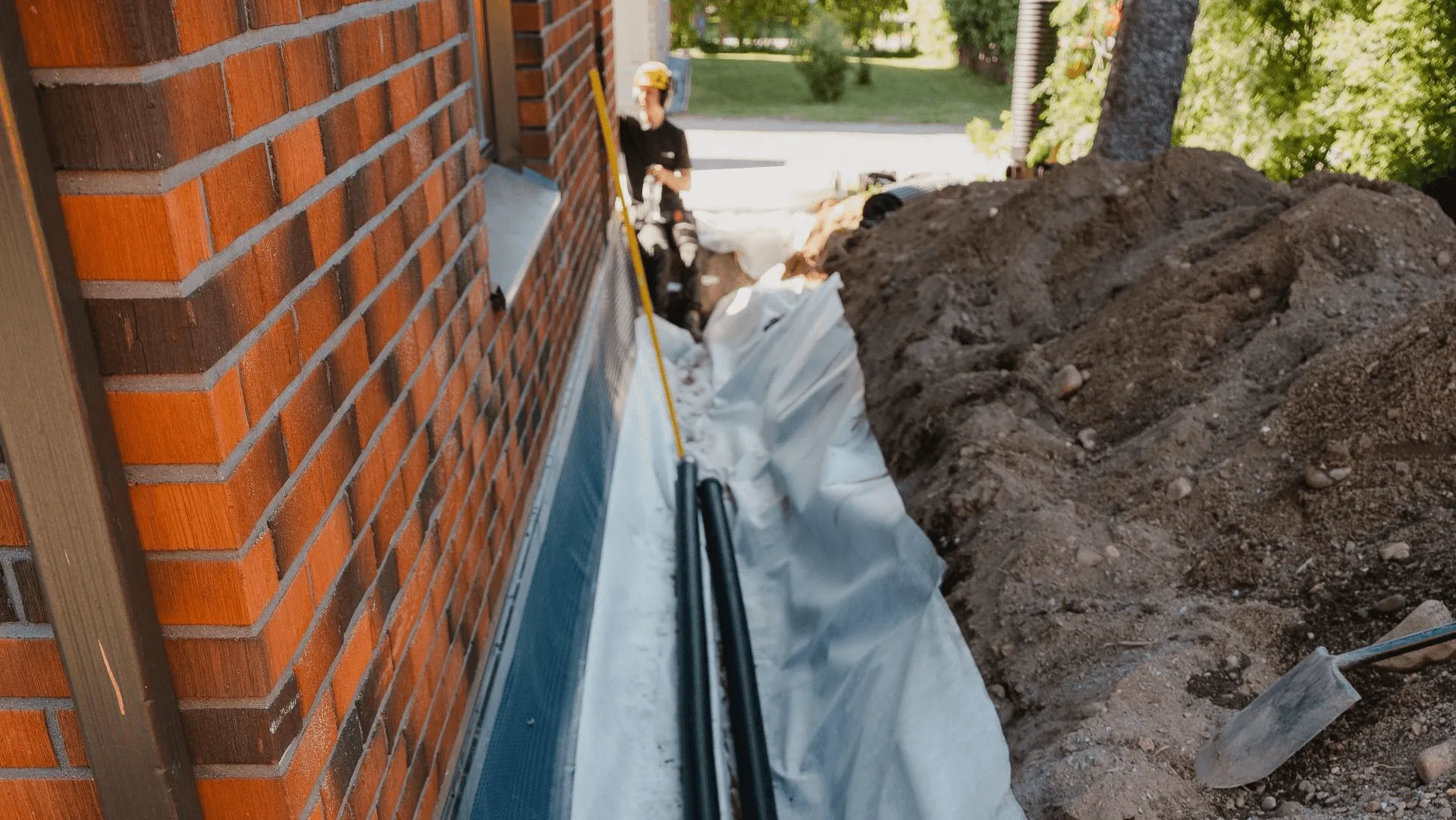
Moisture damage is a common problem, especially in older buildings where drainage systems are insufficient or outdated. A drainage pipe prevents water from rising into the foundation structures and keeps the subfloor dry. Moisture entering the foundation is one of the most common reasons for drainage system renovation.
Keeps foundations dry and stable
When soil moisture is effectively controlled, the foundations remain dry and stable. This helps prevent settlement, frost damage, and other structural issues. A drainage pipe protects the foundation over the long term and helps maintain the building’s safety and value.
Directs excess water away in a controlled manner
As experts emphasize, proper water management is essential for protecting structures from moisture. A drainage pipe directs rainwater and meltwater through a gentle slope into inspection or collection chambers. This ensures that water is safely removed instead of accumulating near the foundation.
Extends the building’s lifespan
A properly functioning drainage system significantly extends the lifespan of a building. When moisture does not reach structural elements, mold and rot damage are avoided, reducing repair needs and maintenance costs. A drainage pipe is therefore an important investment in the long-term condition and indoor health of the property.
How does a drainage pipe work in practice?
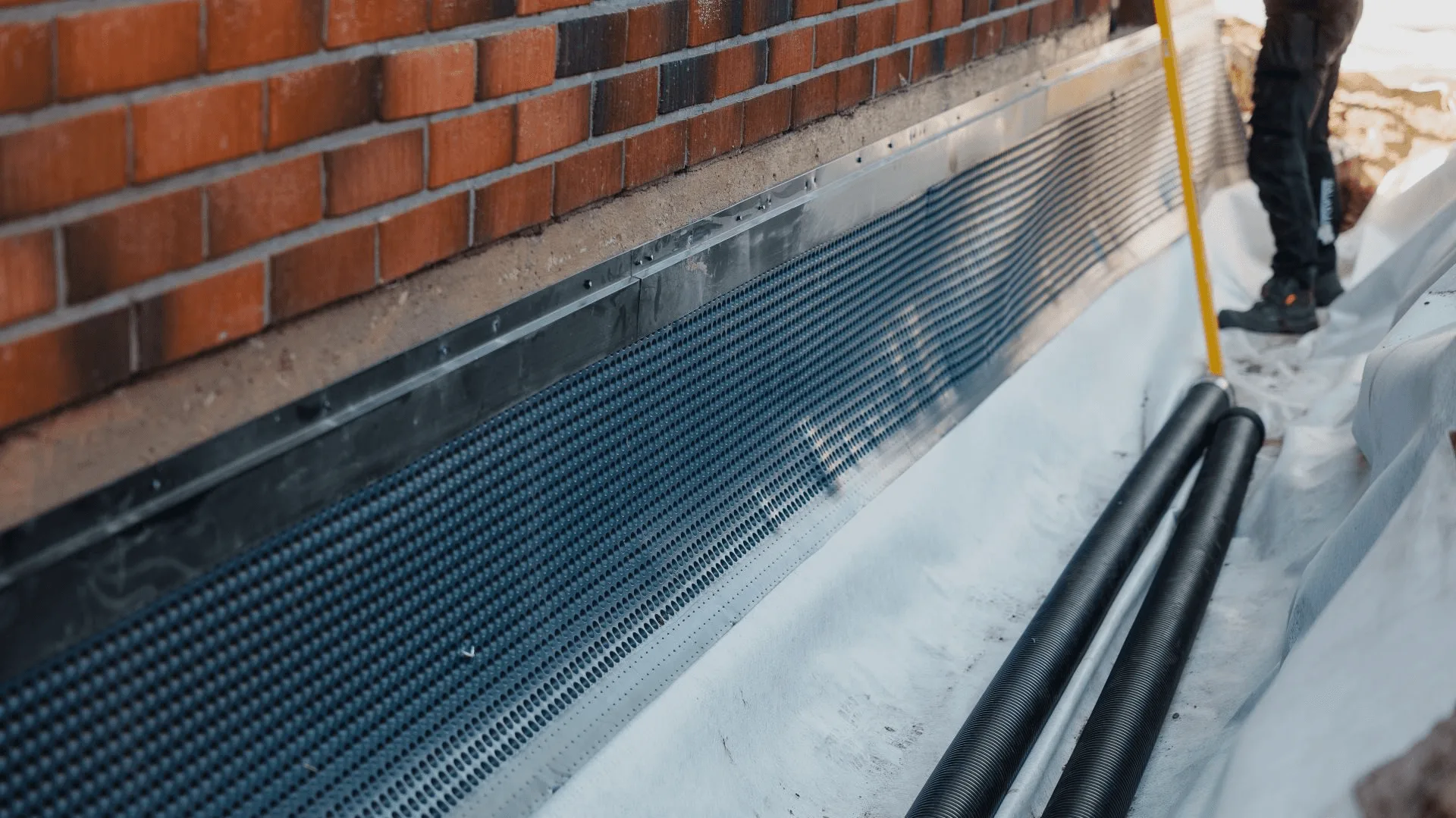
The operation of a drainage pipe is based on a simple but effective principle: gravity and the correct pipe slope guide water away from the foundation. A perforated drainage pipe is installed inside a gravel bed so that water from the surrounding soil can seep into it. The water then flows through the pipe toward an inspection or collection chamber, from where it is discharged further into a sewer system or an infiltration field.
In this DIY guide, the installation of drainage pipes is explained step by step so that the system continues to function effectively year after year.
When are drainage pipes needed?
Drainage pipes are needed whenever it is necessary to prevent soil moisture from reaching the building’s foundation. This is especially common in older houses where drainage systems were not originally installed or have lost their effectiveness over time.
If the yard is wet, there is moisture in the basement, or damage is visible on the foundation wall, this may indicate a need to replace the drainage system.
As stated in the article “Drainage installation in old houses – when and why it is needed”:
“Replacing drainage systems may become necessary for many reasons, and preventing problems is always easier and more cost-effective than repairing damage afterwards.”
Does a drainage pipe need maintenance?
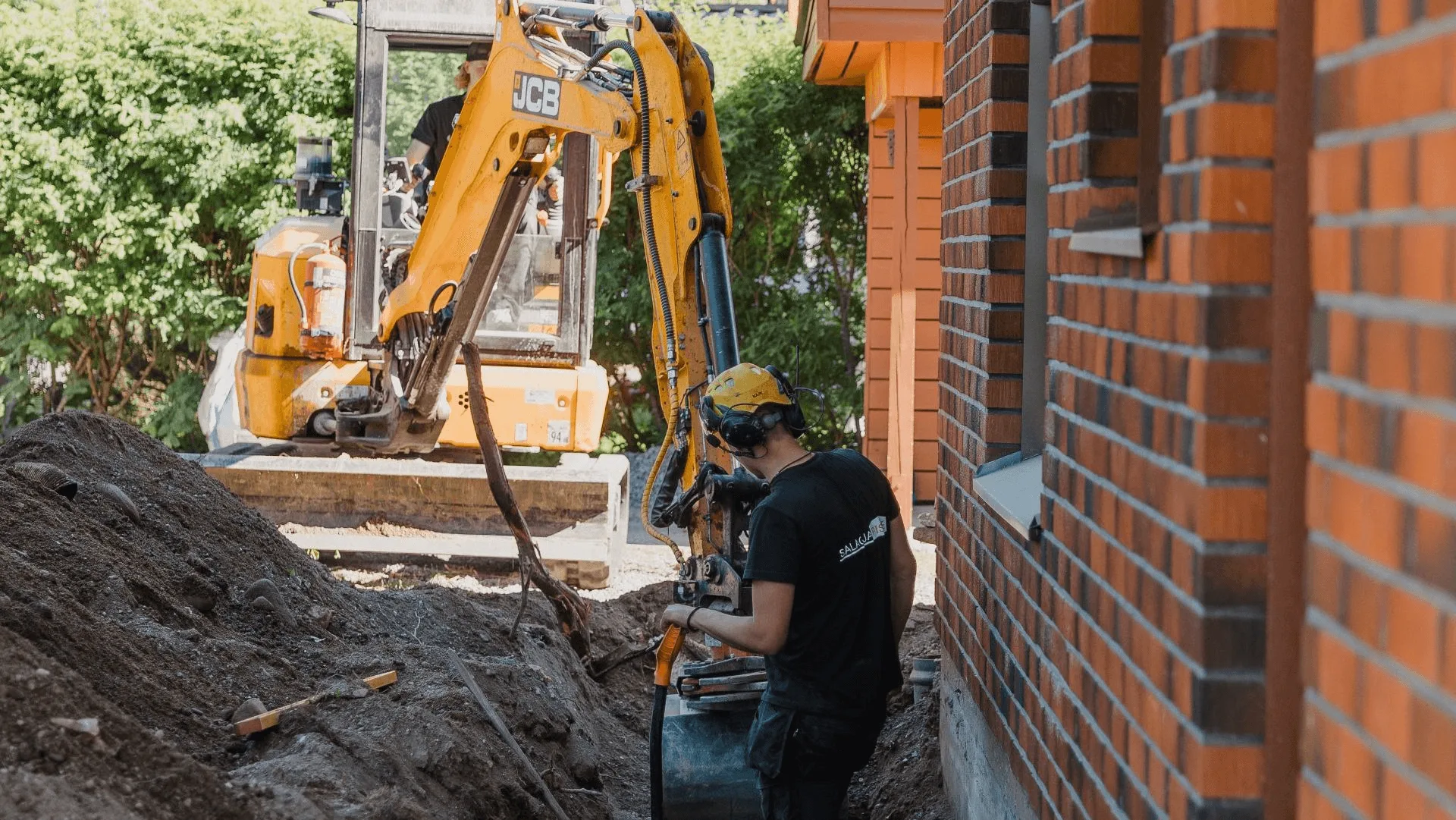
Although drainage pipes are designed to last for decades without major maintenance, it is still important to periodically check their condition. Inspection chambers can accumulate soil or sludge, which should be removed by scraping or flushing.
A simple test is to use a bucket or hose: if water flows freely from one inspection chamber to another, the system is likely functioning normally. If desired, the system can be flushed using professional equipment, or an expert can be called to assess its condition more thoroughly.
In well-functioning drainage systems, blockages are rare, so most maintenance consists of preventive inspections.
Summary
A drainage pipe is a key part of a building’s moisture protection system. It prevents damage by directing water away from the foundation and ensures that structures remain dry for decades.
When properly installed and maintained, a drainage pipe effectively protects both new and old buildings and helps avoid costly water damage risks. If you notice moisture, settlement, or uncertainty about the system’s condition, it is advisable to carry out an inspection early.
See our price guide to learn what drainage renovation costs in 2025.
Lähteet
Salaojapiste – Salaojan rakenne – 7 tärkeää osaa toimivaan salaojitukseen
Salaojapiste – Milloin talon salaojitus kannattaa uusia – 7 selvää merkkiä
Salaojapiste – Salaojan asennusohje – tee-se-itse-opas
Salaojapiste – Salaojien asennus vanhaan taloon – milloin ja miksi kannattaa?
Salaojapiste – Salaojaremontti – 10 tärkeintä kysymystä
Salaojapiste – Hintaopas – Mitä salaojaremontti maksaa 2025?